Updated May 2026 · Evergreen Outdoor Services · Kingwood, TX
Sod Installation in Kingwood and the surrounding northeast Houston area is not the same job as a generic sod install in Katy or Sugar Land. The tree canopy, pine-affected soil, lot drainage patterns, and shade conditions in Kingwood, Atascocita, Summerwood, and Humble create a specific set of variables that determine which grass variety performs, what prep work is required, and why so many local lawns struggle when these factors are ignored.
This guide covers what actually drives sod success in this area - variety selection, soil prep, drainage, timing, and honest 2026 pricing - so you can make the right call before the first pallet arrives.
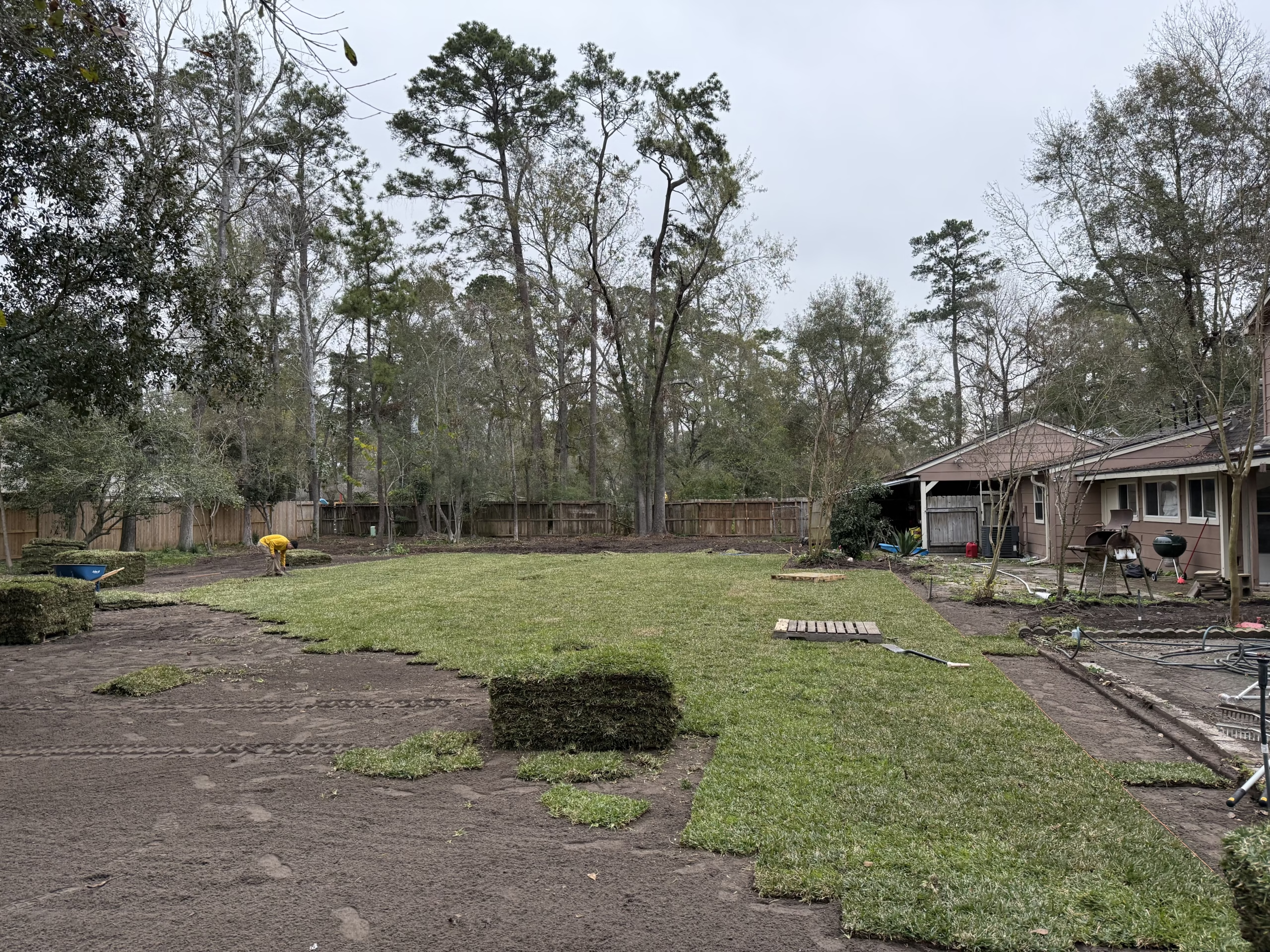 A completed sod install in Kingwood, TX - the result of variety selection, soil prep, and drainage management done before the first roll went down.
Short answer on pricing: St. Augustine runs $2.50–$3.25 per square foot for standard installs, with complex projects involving removal, grading, soil amendment, drainage work, and difficult access extending up to $3.75–$4.50 per sq ft. Bermuda typically runs 5–25% more than St. Augustine. Zoysia runs 25–50% more depending on variety and sourcing. Most residential projects total $3,500–$9,500. Site prep for pine-affected soil and treed-lot drainage issues in Kingwood can add significantly to that baseline - and skipping it is the most expensive decision a homeowner in this neighborhood makes.
Note on smaller repairs: Our minimum for sod repair and small-area installation is $650, which covers up to approximately 215 sq ft of sod coverage including basic prep. For larger projects, economies of scale apply - the more coverage required, the more efficient the site work becomes, which typically results in a more favorable per-square-foot rate.
Most sod cost guides treat Houston as a single market. In practice, Kingwood, Atascocita, Summerwood, and Humble have conditions that are meaningfully different from Katy, Sugar Land, or the Heights - and those differences directly affect which grass works, what prep is required, and how an install performs over time.
Kingwood and parts of Atascocita sit under a significant pine canopy. Pine needles break down on the soil surface and lower pH over time. Acidic soil can inhibit nutrient uptake in warm-season grasses and slow root establishment in new sod. On Kingwood lots with mature pines, a soil test should be treated as a basic diagnostic step before installation. If the pH is low, a lime application before sod can help correct the issue before the lawn is installed. Finding out after the install is usually the more expensive path.
This is the most frequently missed variable in northeast Houston sod work. A Kingwood backyard can look open and sunny in February when you're getting quotes - and be 70% shaded by May when the live oak, pine, and hardwood canopy fully closes. Choosing Bermuda in March based on apparent sun exposure and finding it struggling by June is a common and avoidable outcome. Variety selection needs to account for peak-canopy shade, not early-spring conditions.
Treed lots hide drainage problems. Surface roots from mature oaks and pines create barriers that redirect runoff in ways that aren't visible until a real rain event. Kingwood lots that appear to drain fine in March can develop ponding zones in June when the canopy fills and rain intensity increases. Any drainage issue that goes unaddressed before sod installation will surface - usually within the first summer - and fixing it after the sod is down is far more expensive than addressing it before.
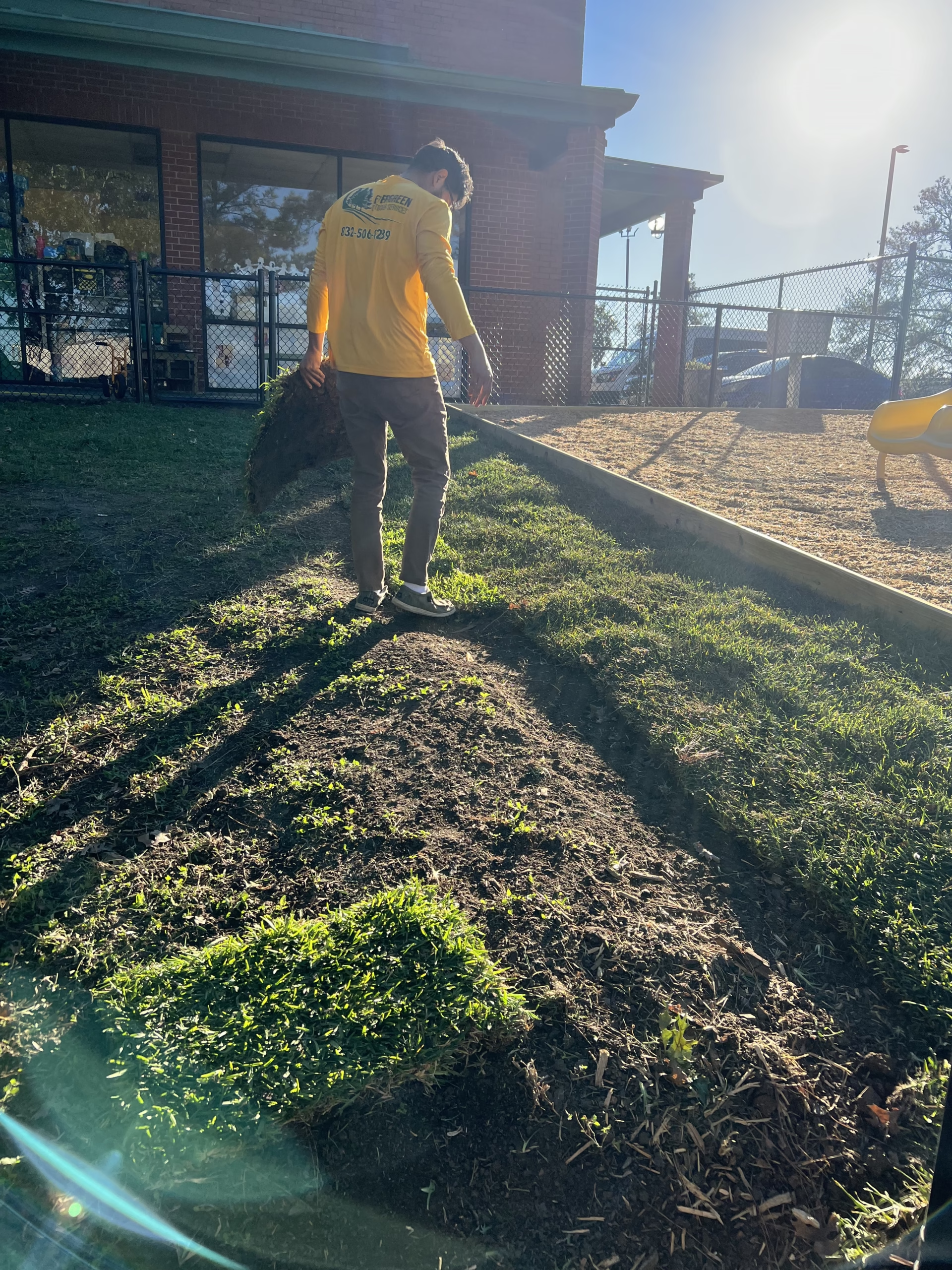 Laying St. Augustine sod - the most forgiving variety for Kingwood's treed lots and the right call for most yards in this area at peak canopy.
In Kingwood and Atascocita, the difference between a March yard and a May yard can be dramatic. If you're evaluating sun exposure in February or early March to choose a grass variety, you're looking at a very different yard than the one that will exist by Memorial Day. Always ask your contractor to assess shade based on full canopy, not early-spring conditions. A Bermuda install picked for apparent March sun can fail by July in a yard that's actually a Palmetto yard.
Variety selection in this area comes down to shade tolerance, soil adaptability, and maintenance expectations. Here's the honest breakdown for northeast Houston conditions.
The most forgiving grass for Kingwood's treed lots - and the most available variety to source and work with in this market. Palmetto handles partial shade better than most warm-season grasses, adapts well to clay-heavy and mildly acidic soil, and establishes reliably in this climate. Most northeast Houston installs use St. Augustine for good reason: it works in the conditions that actually exist here. $2.50–$3.25/sq ft installed depending on access, square footage, prep complexity, and debris.
The most practical Zoysia choice for Kingwood - better shade tolerance than Zeon or Emerald, and more consistently available to source locally. Produces a dense, weed-resistant stand once established. Slower to root than St. Augustine (allow 6–8 weeks) and demands proper soil prep. Typically 25–50% more than St. Augustine depending on variety and current sourcing. Zeon, Emerald, and Empire are significantly harder to source, deliver, and work with - expect longer lead times and higher pricing on those varieties.
Appropriate only for Kingwood lots with genuine full-sun exposure - open front yards or south-facing lots without significant tree cover. Most Kingwood backyards and many front yards don't qualify at peak canopy. Goes brown in winter, requires more frequent mowing, and fails quickly in the shade most Kingwood lots actually have by May. Typically 5–25% more than St. Augustine installed - but only worth considering if the sun exposure is truly there.
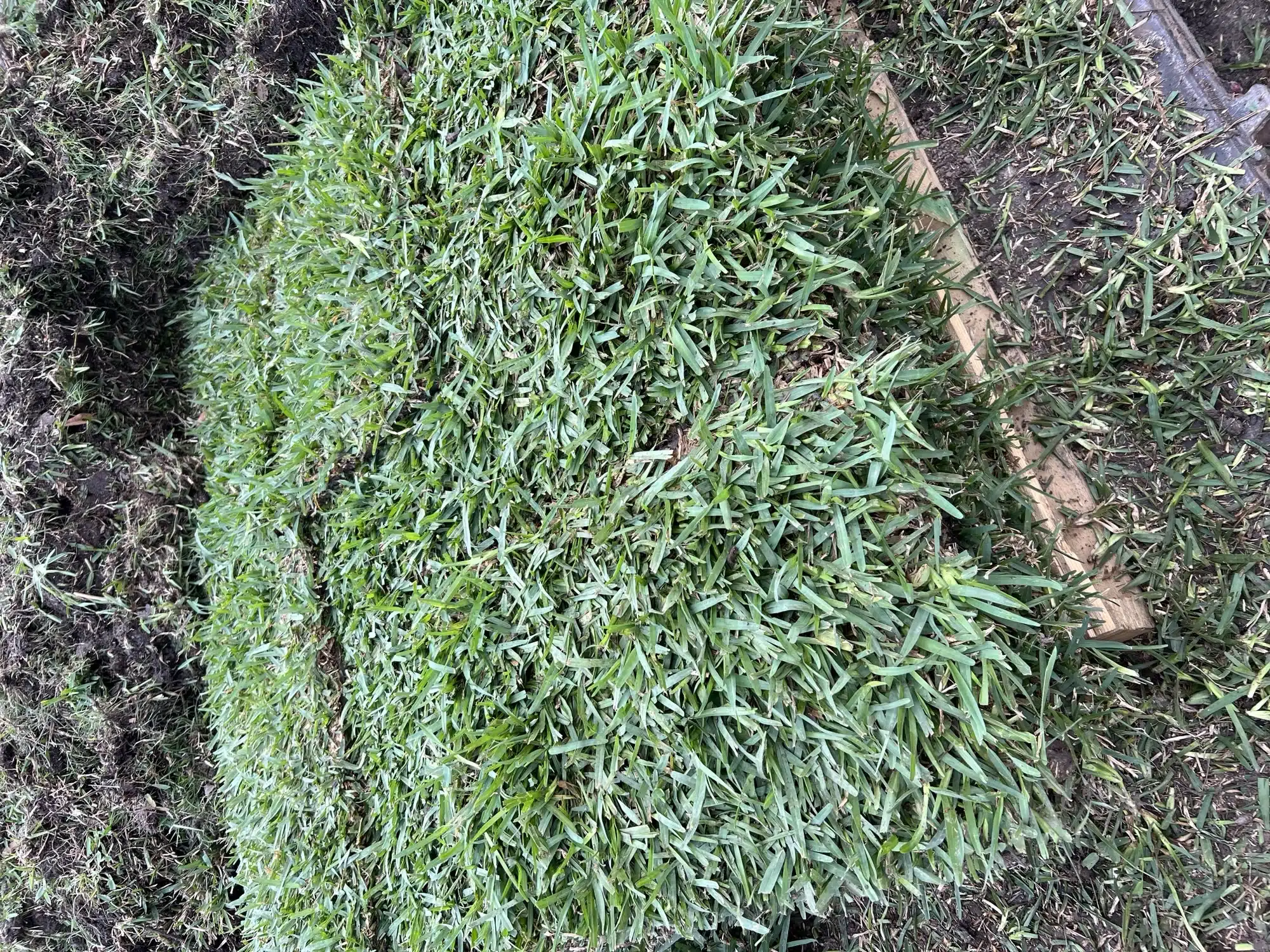 Fresh St. Augustine sod after installation - the thick, lush look that Palmetto delivers when the site prep and variety selection are right for the yard.
For a full breakdown of how each Houston grass variety performs across different conditions, see the Houston grass types guide. If you're considering Zoysia specifically, the Zoysia care guide covers what establishment actually demands in terms of prep and time.
The sod itself is rarely the only cost driver. In Kingwood, Atascocita, and Humble, site prep, soil condition, and drainage correction are where many of the real variables live. Addressing these issues before installation helps protect the investment, while ignoring them can increase the risk of poor rooting, patchiness, drainage stress, or future repair work.
On Kingwood lots with significant pine coverage, a targeted soil test is often worth considering before installation. Pine needles can break down over time and contribute to lower soil pH, which may slow nutrient uptake and root establishment in new sod.
For lawns that have declined, struggled, or failed before, our $125 consultation is designed to go deeper than a standard estimate. We assess the most likely reasons the lawn declined in the first place, including soil condition, drainage, shade pressure, compaction, irrigation coverage, and whether the existing or proposed grass variety is actually a good fit for the property.
As part of that consultation, we include a targeted soil test to gather data-backed information specific to your yard. This allows us to build a more informed approach instead of relying on guesswork. While the consultation adds a small upfront cost, it supports a more professional process: diagnose first, then invest. That approach can help protect the much larger cost of sod installation and reduce the risk of repeating the same problems later.
For homeowners who want to better understand soil testing, the Texas A&M AgriLife Soil, Water and Forage Testing Laboratory is a helpful public resource for learning how soil testing works in Texas.
If the pH is low, lime correction commonly ranges from $75–$250 depending on the size of the area, product needed, and application requirements. Humates or other soil-building inputs may also be recommended, typically ranging from $75–$200. These are relatively small additions compared to the cost of a full sod installation, but they can make a meaningful difference in how well the lawn roots and establishes.
Humble and parts of Atascocita are known for heavy clay soil, including Black Gumbo conditions in certain areas. When soil is compacted, new roots have a harder time moving into the ground below the sod. Aeration, proper surface preparation, and the right soil blend can help improve root contact and give the new lawn a better chance to establish.
Every sod installation we perform includes our personally selected grass mix as part of the standard prep process. This mix contains screened topsoil, a balanced amount of sand, finely shredded carbon-rich organic matter, and expanded shale. It is chosen to improve root contact, support drainage, and give the new sod a better surface to establish into than native clay alone.
For yards that need heavier correction than usual, additional soil amendment may be required. This usually means bringing in more volume of our grass mix or related soil-building material to correct low spots, improve grade, loosen compacted areas, or support better drainage and root development. Additional soil amendment can range from $200–$1,200+ depending on the amount of material needed, access, and the condition of the yard.
Aeration commonly adds $150–$350 depending on the yard size and access. These heavier correction steps are not required on every sod job, but they are important to consider when the soil is compacted, nutrient-poor, clay-heavy, uneven, heavily shaded, or affected by drainage issues. See the aeration vs. topdressing guide for what each step actually does.
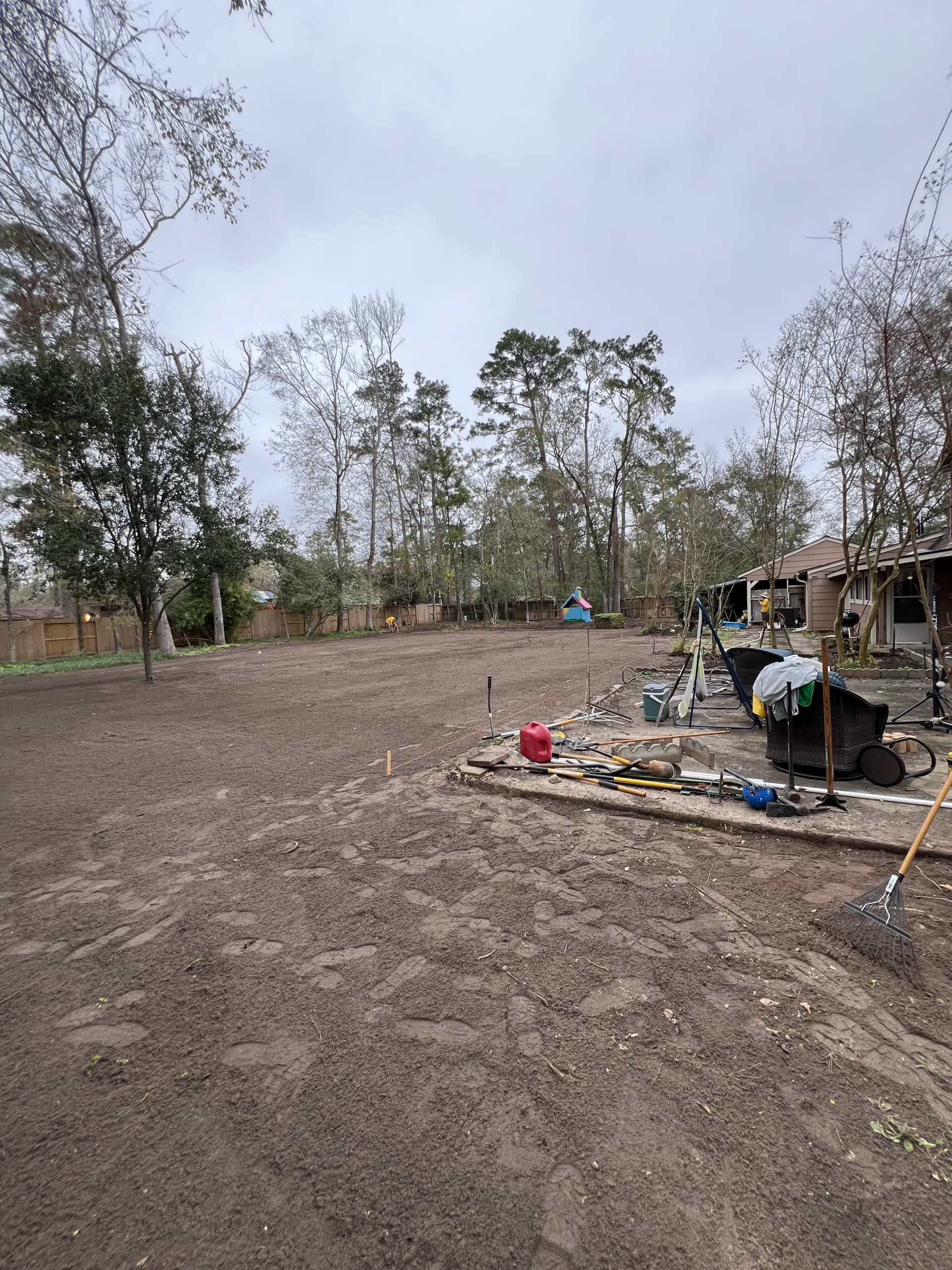 Backyard prep before sod goes down - grading, clay management, and subgrade work that determines whether the install lasts or needs redoing.
Drainage is one of the most important conditions to review before a Kingwood sod installation. Treed lots in this area often have surface roots, shade patterns, compacted areas, and subtle grade changes that can redirect or hold water in ways that only become obvious after a real rain event.
Minor low spots can often be improved during the normal prep process by building up the grade slightly with our grass mix and surface preparation. However, if the yard has standing water, heavy pooling, poor runoff, or areas that stay soggy long after the rest of the lawn dries, those issues may need to be addressed before sod is installed.
A complimentary estimate is best when you already know what you want done and need a clear price for the requested sod work. During that visit, we will note visible site conditions that may affect access, scope, pricing, or project feasibility, but it is not designed to be a full drainage evaluation, soil diagnosis, or lawn failure investigation.
If your lawn has failed before, has unexplained soggy areas, repeated bare spots, heavy shade, grading concerns, or you are preparing to invest several thousand dollars into new sod, our $125 consultation is the better starting point. It includes a deeper site review, drainage observations, compaction and water-retention notes, a professional soil sample submitted for lab analysis, and a documented plan you can act on. On projects $3,500 and above, the consultation investment is credited toward the work when you hire Evergreen to complete the project.
The goal is not to overcomplicate the project. The goal is to avoid guessing before you invest in new sod. In severe drainage situations, we will be upfront if a drain, grading correction, or additional site work should be handled first. In lighter cases, the right prep may be enough. The Houston drainage cost guide covers what correction can involve and what it may cost.
When you see sod quotes that come in noticeably below the ranges above, it is worth comparing the scope carefully. The sod itself, meaning the pallets, is often priced similarly across contractors. The bigger difference usually comes from what is included before the first sod piece gets installed.
A more complete installation may include several prep steps that protect the investment but also add time, labor, and material cost. The most commonly overlooked items in this market include:
A quote that covers the sod price but not the prep is only pricing part of the work that determines whether the lawn establishes. In Kingwood specifically, where pine-affected soil, clay, shade, and drainage complexity are common, the prep process can be just as important as the sod itself. The goal is not to choose the most expensive option or the cheapest option. The goal is to understand what is included, what your yard actually needs, and which scope gives the new lawn the best chance to succeed.
We assess soil, shade, and drainage before recommending a scope - so the install is built for the conditions that exist, not the conditions you hope for.
Sod can be installed any time of year in the Kingwood area. Houston's mild winters mean the ground rarely freezes, and warm-season grasses can be laid and will hold through winter without issue. Each season does have its own considerations, and knowing them helps you plan the right way.
| Season | Timing | What to Know |
|---|---|---|
| Spring (Best) | Late Feb – April | Soil temps are warming and summer heat hasn't arrived yet. Choose your variety based on peak-canopy shade, not how the yard looks in March. The Kingwood canopy fills fast by May. |
| Fall (Good) | September – October | Heat has backed off and roots have time to anchor through the cooler months before the next summer. A solid window with forgiving conditions. |
| Summer (Doable, Requires Attention) | June – August | Sod goes in fine but there is no margin for missed waterings. In peak heat, a day or two without irrigation on new sod can set it back significantly. If you are committed to consistent watering, summer installs work. If your schedule is unpredictable, a spring or fall install is lower risk. |
| Winter (Fine, Often Smart) | November – January | Houston winters are mild enough that sod installs in this window are completely viable. If you have bare dirt in the yard, installing sod now rather than waiting is often the right call. Bare soil through winter invites erosion and weed pressure that is harder to deal with come spring. Establishment is slower in cooler temps, but the sod will hold and green up when temperatures rise. |
A professional sod installation sets the foundation for a healthy new lawn, but proper aftercare is what helps protect that investment. During the first 30 days, consistent watering and responsible care from the homeowner or property owner play a major role in whether the sod roots properly, fills in evenly, and establishes successfully.
No two yards are identical. A shaded, fenced backyard holds moisture very differently than an open, south-facing lawn where wind and sun can dry the surface quickly. That's why we provide a tailored aftercare guide for every sod installation we complete, based on your yard's conditions, grass variety, and the time of year.
That said, the fundamentals apply everywhere. Here is what to expect and what to watch for.
During the first 30 days, periodically lift a corner of a sod piece and check the soil underneath. You want white roots growing into the soil with consistent moisture present - not soggy. If soil is completely dry, water more. If it's mushy or holding standing water, pull back. Drought creates lifting and patchiness; excess moisture invites rot and disease. The goal is consistently moist soil, not soaked or dry.
Watering needs vary by season, weather, and site conditions. Summer installs in hot or windy conditions may need two to three waterings per day the first couple weeks. Winter installs are more forgiving due to slower evaporation. Shaded areas hold moisture longer than open, south-facing lawns. Your aftercare plan adjusts for your specific yard, but the goal is consistent soil moisture throughout establishment.
Pull back a corner of one sod piece. Moist soil underneath, with roots beginning to grow into it, is exactly where you want to be. Completely dry soil means the area likely needs more water. Mushy soil or standing water pooling under the sod means irrigation should be reduced and the area monitored for drainage concerns. That simple check often tells you more than a fixed watering schedule can.
For most installs, wait at least 3–4 weeks before the first mow. If it's spring and the sod has taken in quickly, some yards are ready closer to 3 weeks - but let the roots confirm that, not the calendar. When you do mow, mow tall. Do not scalp it down. Remove no more than one-third of the blade height on that first cut. Dull blades tear rather than cut and stress new turf at exactly the wrong time - sharp blades only.
We fertilize as part of every managed install we do, and we time it based on your specific yard and variety. The general window is 4–8 weeks after installation for the first feeding, once roots are actively establishing.
On fertilizer choice: we strongly recommend slow-release organic fertilizers over cheap synthetic products. Synthetics with high salt content produce a quick green-up but they're feeding the blade, not the soil. That's short-term gain at a long-term cost - you get color fast and deplete your soil biology over time. Organic, slow-release inputs are slower to show up visually, but they build your soil biology underneath, support the microbial activity that makes grass healthy from the roots up, and compound over time. After a few seasons on organics, you need fewer and fewer inputs to maintain results. That's the standard we hold ourselves to and the approach we recommend to every client.
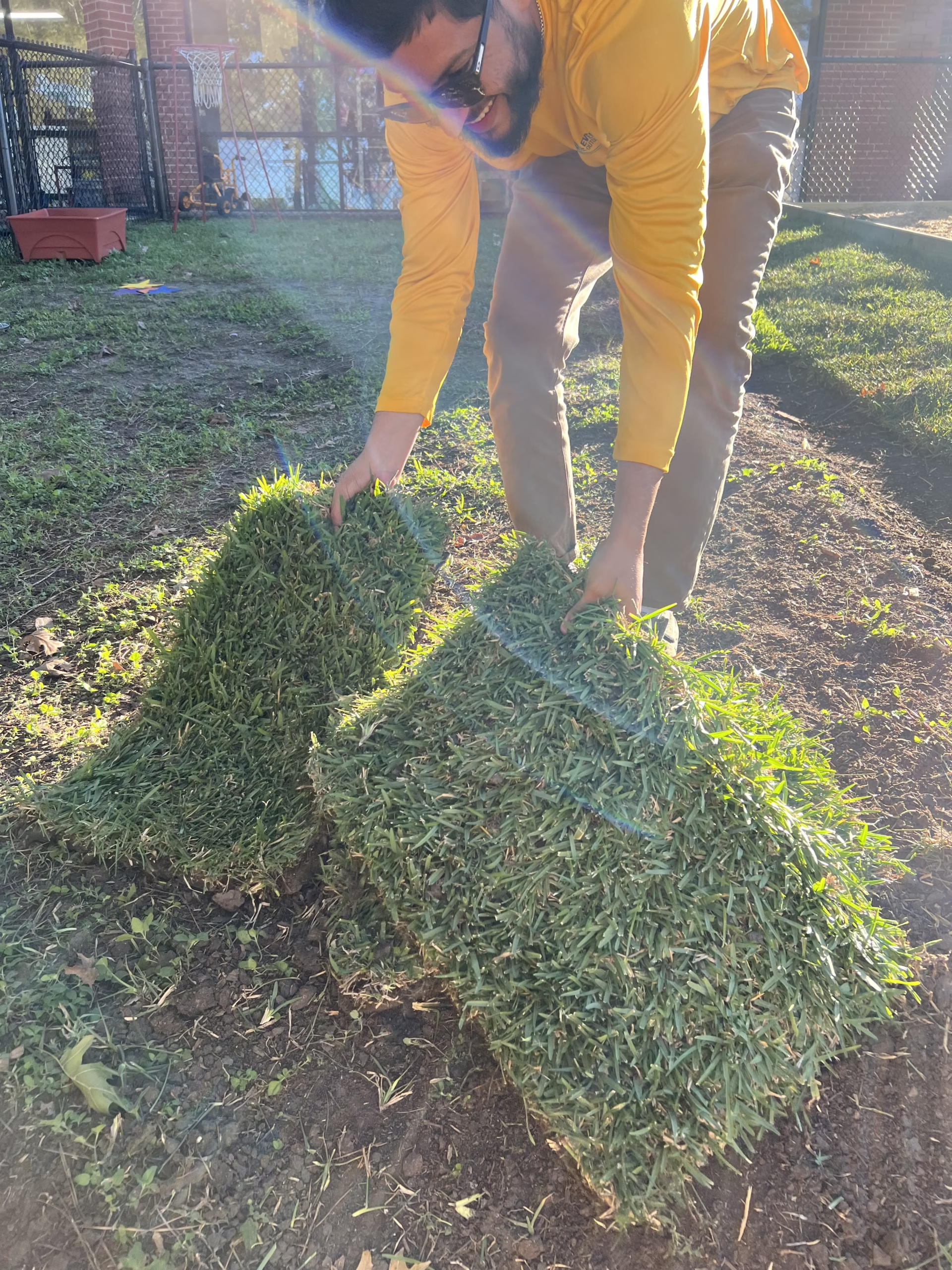 Professional prep and install - the diagnostic and subgrade work that makes the difference between a lawn that lasts and one that gets replaced.
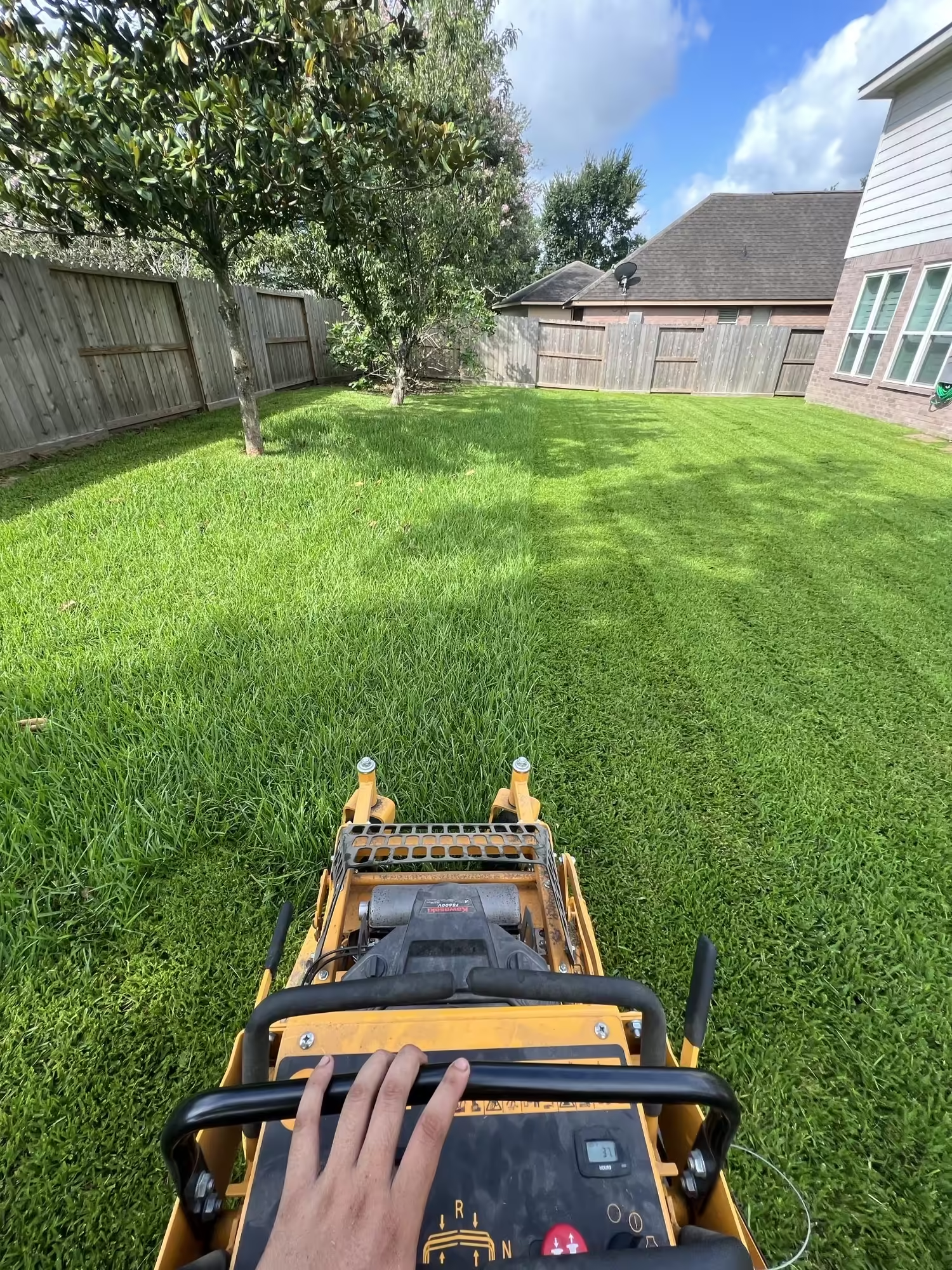 First mow after establishment - sharp blades, correct height, and waiting at least 3–4 weeks for roots to anchor before any surface stress.
Laying sod is physically straightforward. The diagnostic work that determines whether that sod survives is not. In Kingwood, Atascocita, Summerwood, and Humble, the conditions that cause failed installs - acidic soil, hidden drainage issues, shade mismatches - are exactly the things that get missed on a DIY job or a low-bid install that skips the site assessment.
A professional installation includes:
For the full picture on what makes sod fail in Houston - including the diagnostic mistakes that cause homeowners to buy their lawn twice - see the Houston sod failure guide.
We review your site conditions, shade, drainage concerns, and goals before recommending a scope, with deeper diagnostic consultation available when the property calls for it.
Call us at 832-506-8239 or request your sod assessment online.