



Lawn Aeration Services in Houston, TX

Relieve Compacted Houston Clay and Help Your Lawn Recover

Get My Aeration Estimate

Professional Care. Clear Communication. Consistent Results.

Houston Lawn Aeration

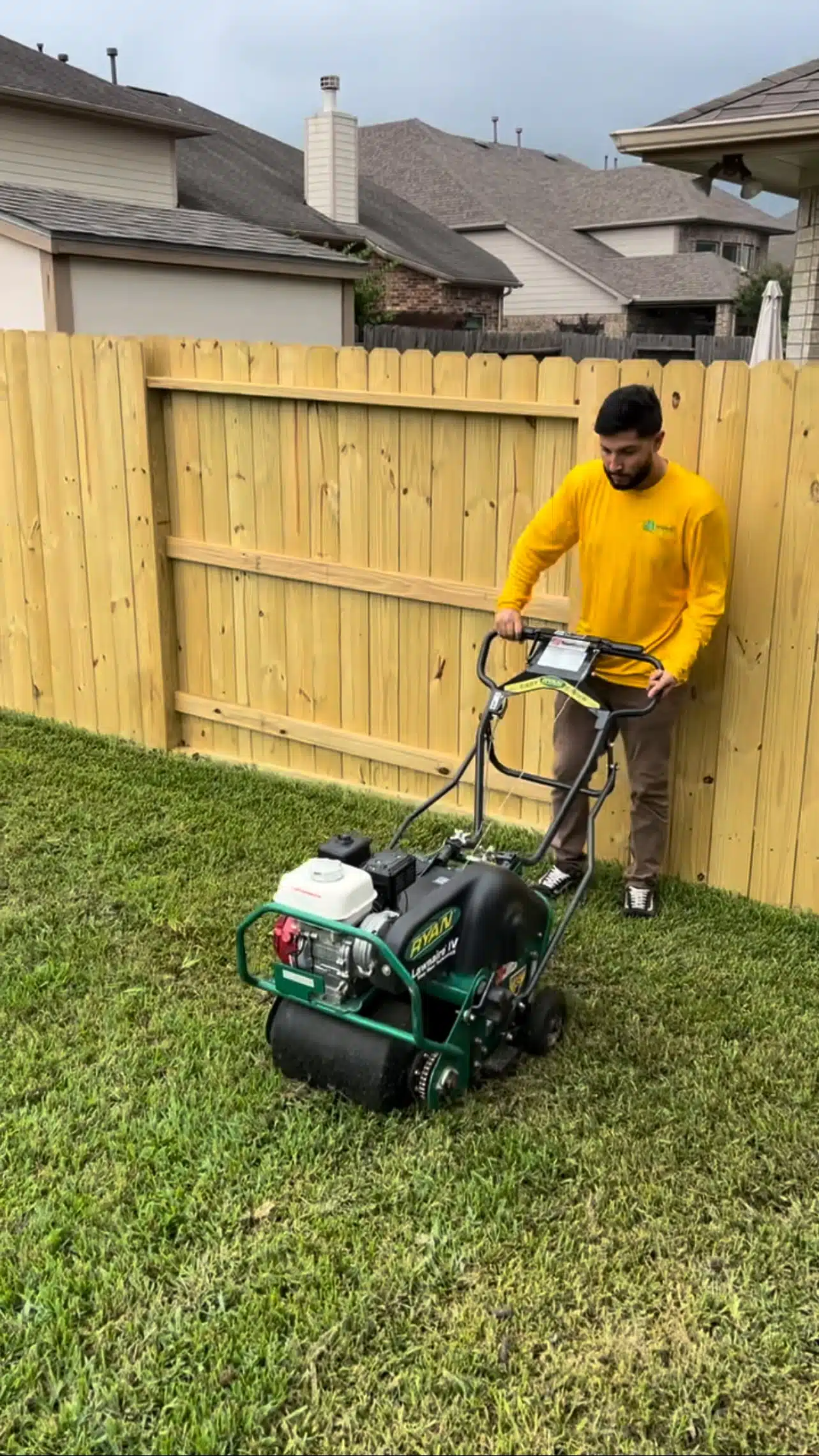
Core Aeration for Compacted Houston Lawns

Core aeration removes small plugs of soil from the lawn to relieve compaction and create direct pathways for air, water, and nutrients. This is especially valuable in Houston’s dense clay soils, where compacted ground can contribute to weak root growth, surface runoff, and poor lawn response.

Evergreen uses commercial-grade core aeration equipment and evaluates the lawn before recommending additional recovery work. Overseeding, fertilization, topdressing, or sod repair may be appropriate depending on the property, but core aeration is the foundation of this service.

Core Aeration & Lawn Recovery
  • Core Soil Aeration
  • Compaction Relief
  • Improved Water Infiltration
  • Better Root-Zone Access
  • Overseeding When Appropriate
  • Lawn Recovery Recommendations
Professional Core Aeration

How Our Houston Lawn Aeration Service Works

01
Evaluate the Lawn

We look at turf condition, soil compaction, grass type, irrigation, drainage symptoms, and areas of weak growth before recommending the right approach for the property.

02
Core Aerate the Soil

Our commercial-grade equipment removes small plugs of soil throughout the lawn to relieve compaction and create better pathways for air, water, and nutrients to reach the root zone.

03
Recommend the Right Follow-Up

Depending on the lawn, we may recommend proper watering, fertilization, topdressing, overseeding, or sod repair. We do not treat overseeding as a one-size-fits-all solution.

Professional Care. Clear Communication. Consistent Results.

See What Our Customers Are Saying

Lawn Aeration and Overseeding Services Across Houston and Nearby Communities
RELIEVE COMPACTION • SUPPORT ROOT GROWTH • IMPROVE LAWN RECOVERY

Get Your Aeration & Lawn Recovery Estimate

Clear pricing, honest recommendations, and a lawn recovery plan that fits your property.

Evergreen Outdoor Services rated 4.9 stars on Google Reviews.
Benefits of Core Aeration

Why Core Aeration Helps Houston Lawns

Houston lawns often grow in dense clay soils that can become compacted from foot traffic, equipment, irrigation, and normal property use. Core aeration helps open the soil and improve conditions around the lawn’s root zone.

Relieves Soil Compaction

Core aeration removes small plugs of soil from the lawn, helping loosen compacted areas and create more room for roots to develop within dense Houston soils.

Improves Root-Zone Access

The openings created during aeration give air, water, and applied nutrients more direct pathways into the soil where the lawn’s root system can access them.

Supports Water Infiltration

Compacted soil can limit how readily water enters the ground. Aeration creates additional openings that can help water move into the root zone instead of remaining only at the surface.

Supports Soil & Thatch Interaction

Bringing small soil cores to the surface increases contact between soil and the lawn’s organic layer, supporting natural biological activity as the plugs gradually break down.

Helps When Overseeding Is Appropriate

For lawns and seasons where overseeding makes sense, aeration can create additional soil contact for seed. Evergreen evaluates the grass type and lawn condition before recommending overseeding.

Supports Lawn Recovery

Aeration does not repair every turf problem by itself, but relieving compaction can create better soil conditions for ongoing watering, fertilization, topdressing, and other appropriate recovery work.

Houston Clay • Core Aeration • Lawn Recovery

Better Lawn Recovery Starts Below the Surface

Houston’s dense clay soils can become compacted over time, limiting the movement of air and water into the lawn’s root zone. When the soil is tight, even consistent watering and lawn care may not address the underlying compaction.

Evergreen uses professional core aeration to physically remove small plugs of soil and create additional pathways into the root zone. The goal is simple: improve the conditions around the roots so the lawn has better access to air, water, and applied nutrients.

When overseeding is appropriate for the grass type and season, aeration can also improve seed-to-soil contact. For other lawns, fertilization, topdressing, improved watering practices, or sod repair may be the better next step. We evaluate the property before recommending additional recovery work.

Our approach is built around practical recommendations, professional execution, and clear expectations for the property.

Review Our Satisfaction Guarantee
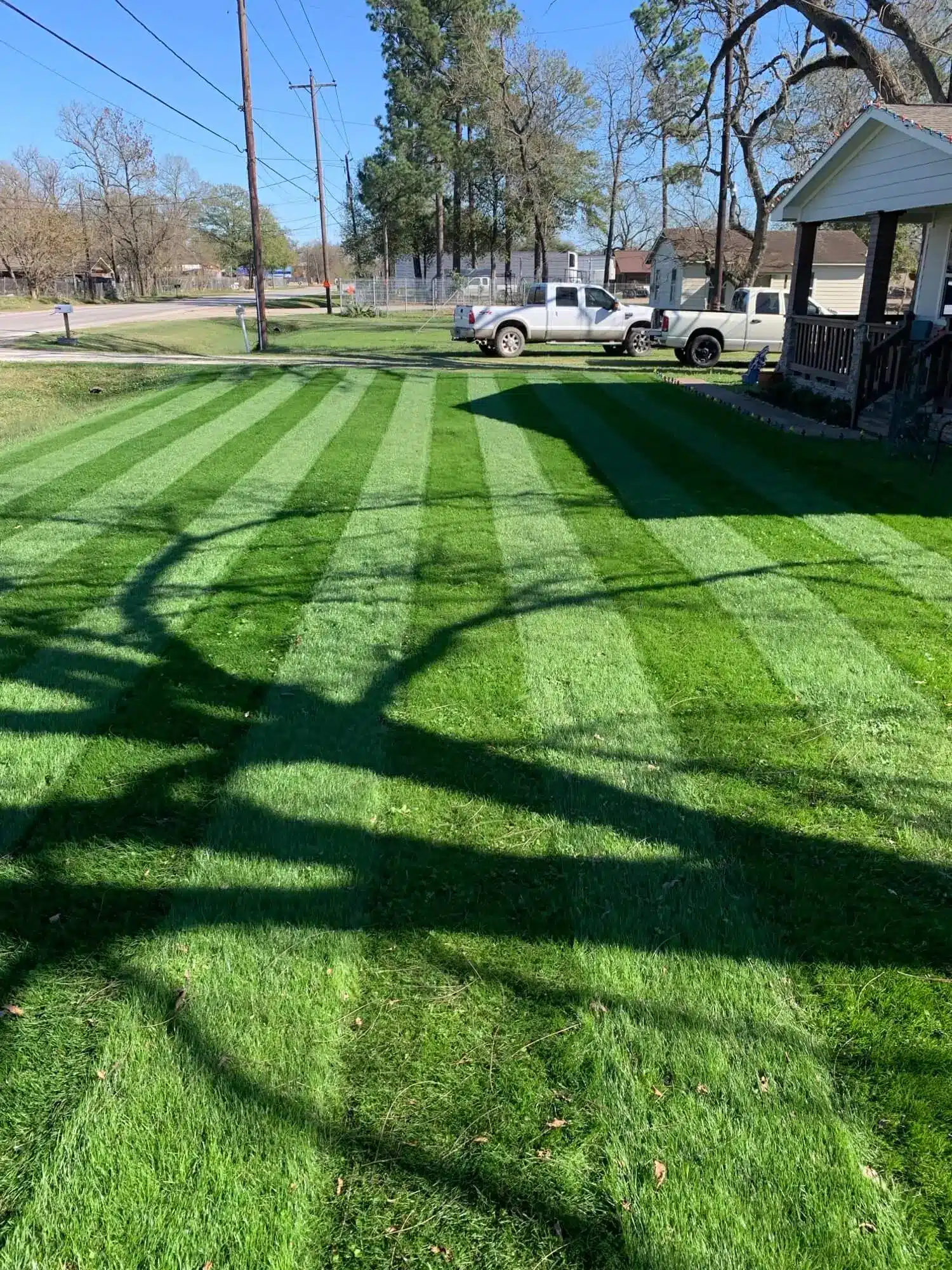
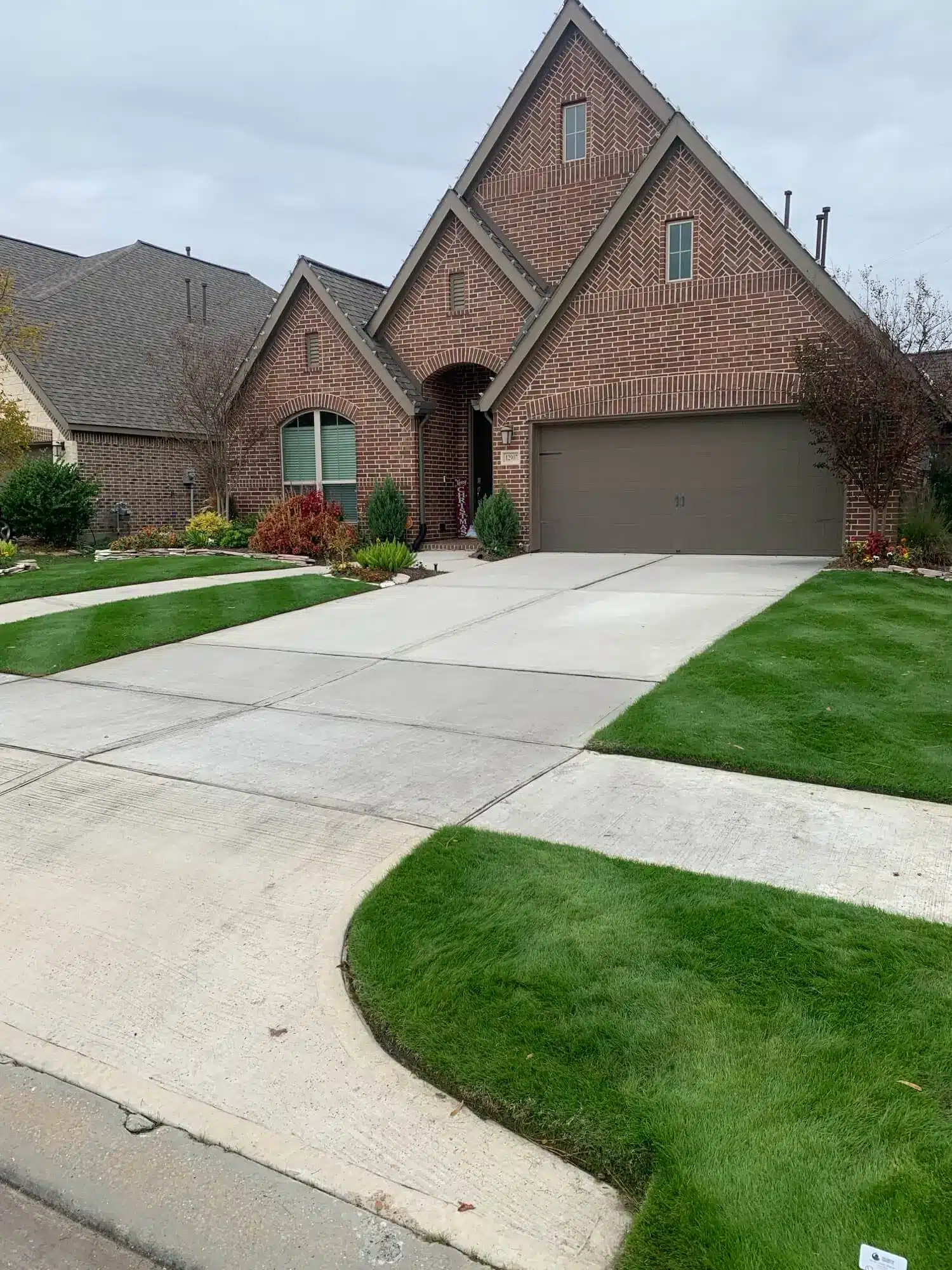
Professional core lawn aeration service by Evergreen Outdoor Services Seasonal rye grass lawn following appropriate lawn recovery and overseeding Maintained residential lawn near Summerwood and The Groves in Houston
Know What Your Lawn Actually Needs

Is Core Aeration Right for Your Lawn?

Aeration can be valuable when soil compaction is part of the problem, but it is not the answer to every thin, stressed, or struggling lawn. The condition of the turf, soil, irrigation, sunlight, and drainage all matter.

Signs Aeration May Help

  • The soil feels hard or compacted when walking across the lawn or pushing into the ground.
  • Water has difficulty soaking into the soil and tends to remain near the surface or run off compacted areas.
  • The lawn receives regular foot or equipment traffic that can gradually compress the soil.
  • Turf appears weak despite normal care and compacted soil may be limiting root-zone conditions.
  • The lawn has not been aerated in a long time and the soil shows signs of compaction.

When Aeration May Not Be Enough

  • Large areas of turf are already dead or missing. Sod repair or replacement may be more practical.
  • Standing water is caused by grading or a drainage problem. Aeration may help soil infiltration, but it does not correct every drainage issue.
  • The area does not receive enough sunlight for the existing turf type to perform well.
  • Irrigation problems are stressing the lawn. Too much, too little, or uneven watering can require a different solution.
  • The real issue is disease, pests, or another turf problem. Compaction relief alone will not correct an unrelated cause.

Overseeding Is Not Automatically Part of Every Aeration

Houston lawns vary by grass type, season, shade, irrigation, and existing turf condition. We do not treat overseeding as a one-size-fits-all recommendation. When it makes sense, aeration can improve seed-to-soil contact. When it does not, another recovery approach may be more appropriate for the property.

The goal is not to sell every lawn the same treatment. It is to identify what is limiting the turf and recommend a practical next step for the property.
Learn Before You Decide

Want to Learn More About Lawn Aeration?

If you are still deciding whether aeration is right for your lawn, these guides explain the process and compare common lawn-improvement options in more detail.

Every lawn is different. These resources can help you understand the options, but the right recommendation still depends on your turf, soil conditions, season, irrigation, and the problem you are trying to solve.
Houston Lawn Aeration FAQs

What to Know Before Aerating Your Lawn

Core aeration removes small plugs of soil from the lawn to relieve compaction and create more direct pathways for air, water, and applied nutrients to reach the root zone.

That can be especially useful in Houston, where dense clay soils can become compacted from normal foot traffic, mowing equipment, construction activity, and everyday property use.

Important distinction: Aeration can help water move into compacted soil when compaction is part of the problem. It does not correct every drainage issue. Standing water caused by grading, drainage infrastructure, or another underlying condition may require a different solution.

The immediate result is physical: you will see soil plugs across the lawn and openings where the aerator has relieved compaction. Visible turf improvement takes longer and varies by grass type, season, weather, irrigation, fertility, and the condition of the lawn before service.

Aeration creates better soil conditions, but it does not produce instant new grass by itself. A healthy lawn may respond gradually as roots take advantage of improved access to air, water, and nutrients.

If overseeding is included: Germination depends heavily on seed type, soil temperature, moisture, and aftercare. Winter ryegrass generally establishes faster than warm-season Bermuda or Zoysia seed, which usually requires more time and consistency.

For most warm-season Houston lawns, aeration is generally most useful while the turf is actively growing and has time to recover. Spring into early summer is often a good window once the lawn has fully greened up.

The right timing still depends on grass type, soil moisture, weather, lawn condition, and whether aeration is being paired with another service such as seasonal overseeding or topdressing.

We look at the lawn, not just the calendar. Extremely dry, saturated, dormant, or severely stressed turf may be better served by waiting or addressing another problem first.

Aeration pricing depends primarily on the size of the lawn, equipment access, layout, and how much ground needs to be covered.

  • Small or tight-access lawns: Starting around $150
  • Average subdivision lawns: Typically $150 to $250
  • Larger residential lawns: Typically $250 to $350
  • Large properties or estates: $350+
For an accurate price: We look at the actual lawn area and property access rather than relying only on the home's lot size.

A little preparation helps us aerate the property more effectively and safely.

  • Mow beforehand: The lawn should be reasonably short and accessible, but there is no need to scalp healthy turf.
  • Clear the lawn: Move toys, hoses, furniture, temporary decorations, and other loose items out of the service area.
  • Water dry soil when needed: If the ground is very hard and dry, lightly watering beforehand can help the aerator pull more effective cores. The soil should be moist, not muddy or saturated.
  • Mark irrigation components: Clearly identify sprinkler heads, valve boxes, and other known shallow components before service.
Weather matters. Houston soil can move quickly from very dry to saturated. If conditions are not suitable for clean, effective aeration, the service may need to be adjusted or rescheduled.

Sprinkler heads and valve boxes should be clearly marked before aeration so the crew can work around visible irrigation components.

Please also tell us about any known shallow private lines, cable, fiber, invisible-fence wire, landscape lighting wire, or other underground components that may cross the lawn.

Why this matters: An aerator works below the surface. We can take precautions around known components, but buried items cannot always be identified by looking at the lawn from above.

Usually, no. Leave the soil plugs on the lawn and allow them to break down naturally.

Weather, irrigation, foot traffic, and normal lawn maintenance gradually work the material back into the turf. How quickly the plugs disappear depends on conditions after service.

They may look unusual for a short time, and that is normal. The visible cores are evidence that soil was actually removed rather than simply punctured.

No. Aeration and overseeding can work well together in the right situation, but overseeding is not automatically the correct next step for every Houston lawn.

  • St. Augustine: St. Augustine is not typically established from seed. Thin or damaged areas are generally addressed by improving the existing turf or using plugs or sod when replacement is needed.
  • Bermuda and Zoysia: Seeding may be possible, but variety, timing, soil contact, watering, and the desired appearance all matter. In some situations, sod or plugging may provide a cleaner or more predictable repair.
  • Winter ryegrass: Ryegrass can provide temporary green winter color while warm-season turf is dormant. It is a seasonal option, not a permanent replacement for the underlying lawn, and it requires appropriate watering, mowing, and spring transition management.
Our approach: We consider the existing grass, season, shade, irrigation, soil conditions, and the condition of the lawn before recommending overseeding.

Ready to Give Your Lawn Better Growing Conditions?

Tell us what you’re seeing. We’ll help you determine whether core aeration is the right next step for your lawn.

Clear recommendations. Professional service. No pressure.