
Neglected Lawn in Houston? What It Can Cost and What to Do Next
A lawn usually does not go from healthy to ruined because of one missed mow. The bigger problems start when missed maintenance combines with Houston heat, heavy rain, uneven irrigation, shade, soil conditions, weeds, traffic, or turf that was already under stress.
The result can be more than an untidy yard. Routine maintenance may turn into a cleanup, thin turf may need repair, and underlying lawn problems can become harder to identify because several issues are happening at once.
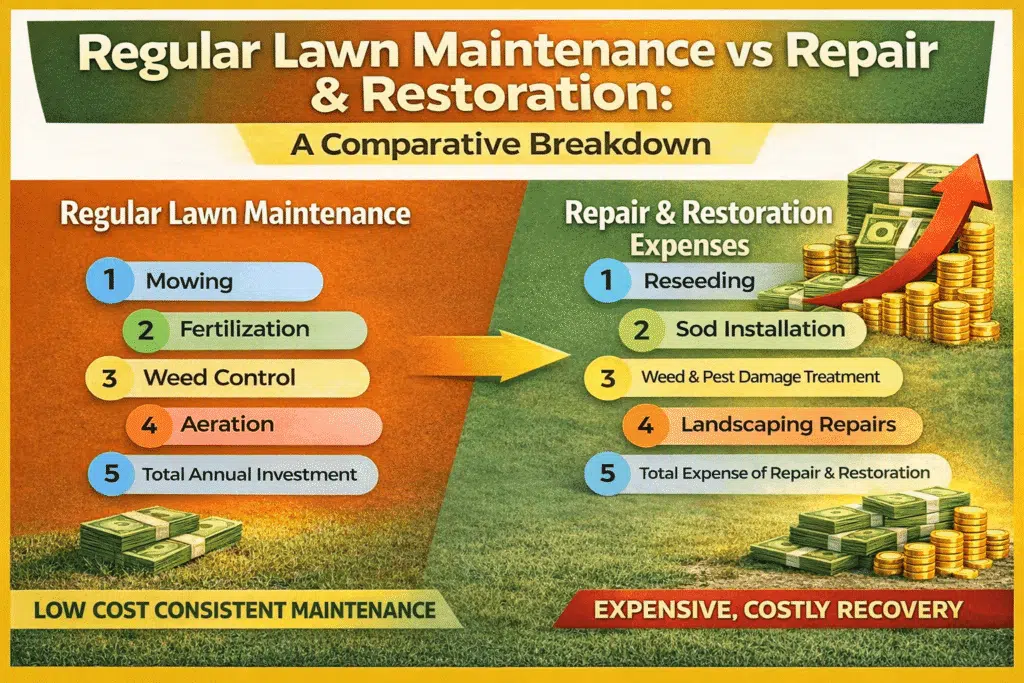
Evergreen works with properties at both ends of the spectrum: lawns that only need consistent recurring care and properties that have fallen far enough behind to need cleanup, turf repair, soil support, or a larger reset. This guide is meant to help homeowners identify that difference before spending money on the wrong fix.
A neglected lawn can become more expensive to recover because the work may expand beyond mowing into cleanup, bed restoration, turf repair, soil correction, or sod replacement. But a thin, brown, or struggling lawn is not automatically neglected. Watering coverage, sunlight, drainage, soil, weather, insects, disease, and mowing practices should be considered before deciding what the lawn needs.
Start With the Condition What Does a Neglected Lawn Actually Look Like?
Lawn neglect is less about one missed service and more about an accumulation of unresolved conditions. The property gradually moves beyond what normal recurring care was designed to handle.
Overgrown Turf
Grass growth has progressed beyond a normal mowing cycle and may require additional cutting, cleanup, or debris handling.
Weeds Filling Thin Areas
Turf density has declined enough that unwanted growth is occupying bare or weak sections of the lawn.
Leaves & Debris Building Up
Organic debris has accumulated around beds, fence lines, corners, or lawn areas instead of being handled routinely.
Bare or Weak Turf
Areas no longer have enough healthy grass to recover through normal mowing alone and may need further diagnosis.
Landscape Beds Falling Behind
Weeds, loose debris, volunteer growth, or overdue pruning are adding to the overall condition of the property.
Several Issues at Once
Turf, watering, soil, weeds, cleanup, and landscape conditions are overlapping instead of presenting as one isolated problem.
One of the most useful distinctions is whether the lawn still has a healthy enough baseline to maintain normally.
A property can look rough after a short period of fast growth and still recover quickly. A lawn with significant thinning, bare areas, recurring weeds, poor water movement, or repeated turf failure may need a different plan.
If the symptoms are mixed, Evergreen's Houston Lawn Health Assessment Tool can help organize what you are seeing before you choose a service.
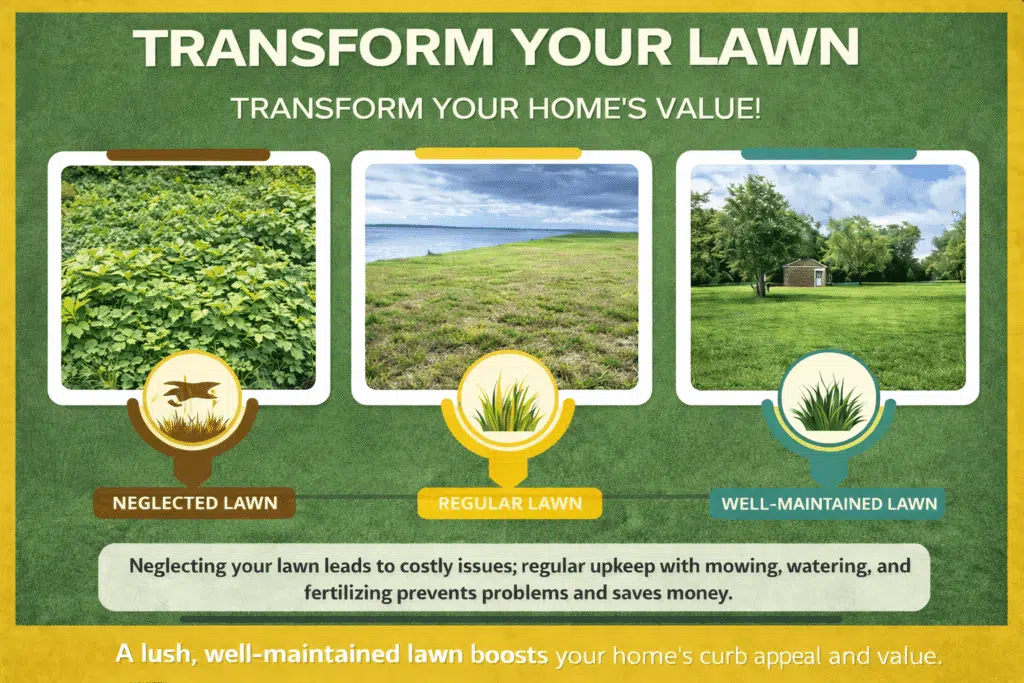
Where the Extra Work Comes From The Real Costs of Letting a Lawn Fall Behind
The cost of lawn neglect is not a universal percentage or a fixed dollar amount. It comes from the additional work required when one routine maintenance problem turns into several separate property needs.
Maintenance Becomes a Cleanup
Once grass, weeds, leaves, branches, fence lines, and beds all need attention at the same time, the work can move beyond a routine mowing visit into a defined property cleanup .
Thin Turf May Need Repair
When turf density is lost, mowing alone cannot replace missing grass. Depending on the cause and amount of healthy turf left, recovery may involve correcting the underlying issue, repairing selected areas, or considering sod replacement.
Watering Problems Waste Time and Effort
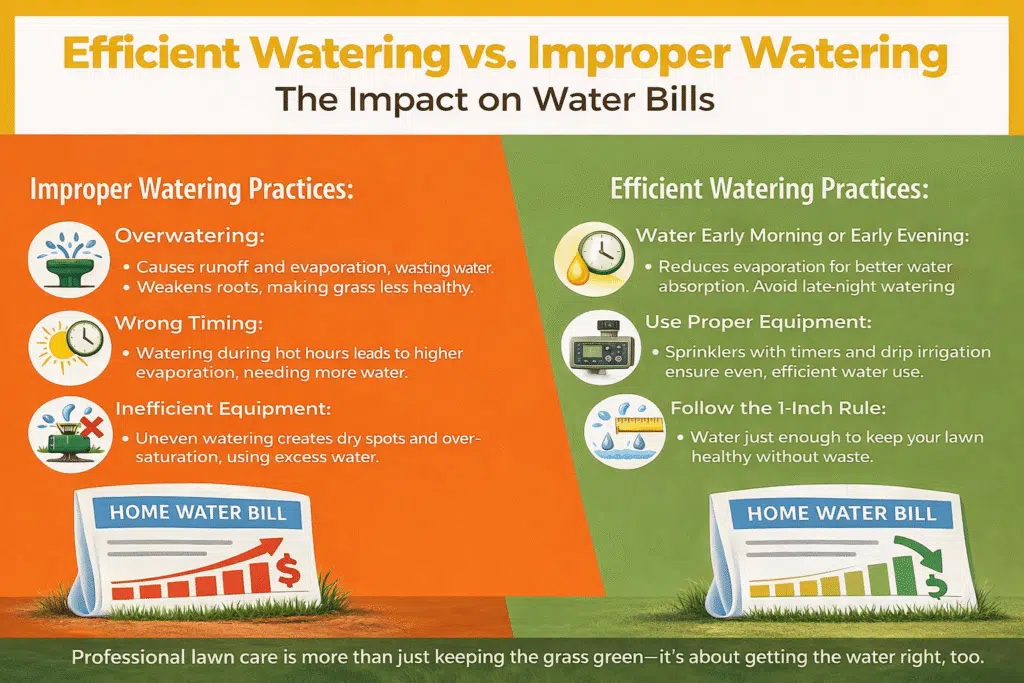
Uneven irrigation, compacted soil, excessive moisture, poor infiltration, or watering by calendar instead of lawn condition can make recovery harder. Simply adding more water does not fix every struggling lawn.
Urgency Can Increase the Scope
HOA notices, property listings, moves, inspections, or upcoming gatherings can turn a gradual maintenance problem into a deadline-driven cleanup and repair project.
Real Evergreen Experience When Routine Maintenance Turned Into a Larger Recovery Project
One past Evergreen client contacted us after the property had fallen behind and HOA notices had begun arriving. By the time the lawn was reviewed, the issue was no longer limited to mowing.
One Property. Several Recovery Needs.
The eventual scope included an overgrown cleanup, sod replacement, garden-bed restoration, aeration, and additional watering support while the replacement turf established.
The total project amount was a little over $4,700.
The lesson is not that a neglected yard automatically becomes a $4,700 project. It is that several unresolved conditions can accumulate until a property needs multiple scopes instead of one routine service.
Historical Evergreen project example only. Property conditions, scopes, material needs, and current pricing vary. This is not a typical-price claim or current quote.
Diagnose Before You Spend Not Every Brown or Thin Lawn Is Neglected
This is an important distinction. A homeowner can maintain a lawn consistently and still see decline from irrigation coverage, prolonged heat, excessive moisture, shade, drainage, soil compaction, insects, disease pressure, recent treatments, or poor site conditions.
Treating every brown patch as a maintenance problem can lead to money being spent on the wrong solution. Before adding fertilizer, replacing turf, increasing irrigation, or assuming the lawn simply needs more mowing, look at the pattern and the conditions around it.
Texas A&M AgriLife recommends adjusting St. Augustine irrigation to actual turf stress and rainfall rather than using a rigid schedule. Established turf is generally watered deeply and infrequently, with supplemental irrigation reduced when rainfall is already meeting the lawn's needs. Review Texas A&M's St. Augustinegrass lawn-management guidance.
Recovery Framework What to Do When Your Lawn Has Fallen Behind
Identify the Actual Problem
Look at turf density, watering coverage, recent weather, shade, soil condition, drainage, mowing history, weeds, and any visible pest or disease clues before deciding on treatment.
Get the Property Back to a Manageable Baseline
If tall growth, leaves, weeds, branches, or neglected beds are preventing ordinary maintenance, a cleanup may need to happen before the lawn itself can be evaluated properly.
Stabilize Mowing and Watering
Return the lawn to an appropriate mowing rhythm and correct obvious irrigation problems. Avoid scalping and avoid compensating for every symptom by automatically adding water.
Decide Whether the Turf Can Recover
If enough healthy turf remains and the cause is correctable, recovery may be practical. If large sections are dead or site conditions repeatedly prevent recovery, replacement may make more sense. See our lawn repair vs. sod replacement guide .
Protect the New Baseline
Once the lawn is manageable again, consistent recurring care is usually simpler and less disruptive than repeatedly allowing the property to fall back into a major reset.
Choose the Right Path Which Next Step Fits the Property?
Routine Lawn Maintenance
The lawn is generally manageable and mainly needs recurring mowing, edging, trimming, and normal upkeep.
View Houston Lawn MowingProperty Cleanup
Overgrowth, weeds, leaves, debris, beds, branches, or several neglected areas need to be reset before normal care resumes.
View Property Cleanup ServicesDiagnose the Lawn First
The lawn is declining, but the cause is unclear and may involve irrigation, shade, soil, weather, drainage, pests, or disease.
Use the Lawn Health Assessment ToolRepair or Replace Turf
Thin, dead, or failed turf remains after the underlying cause has been identified and the property is otherwise ready for recovery.
Compare Repair vs. Sod ReplacementThe Goal Is Not Perfection. It Is a Maintainable Lawn.
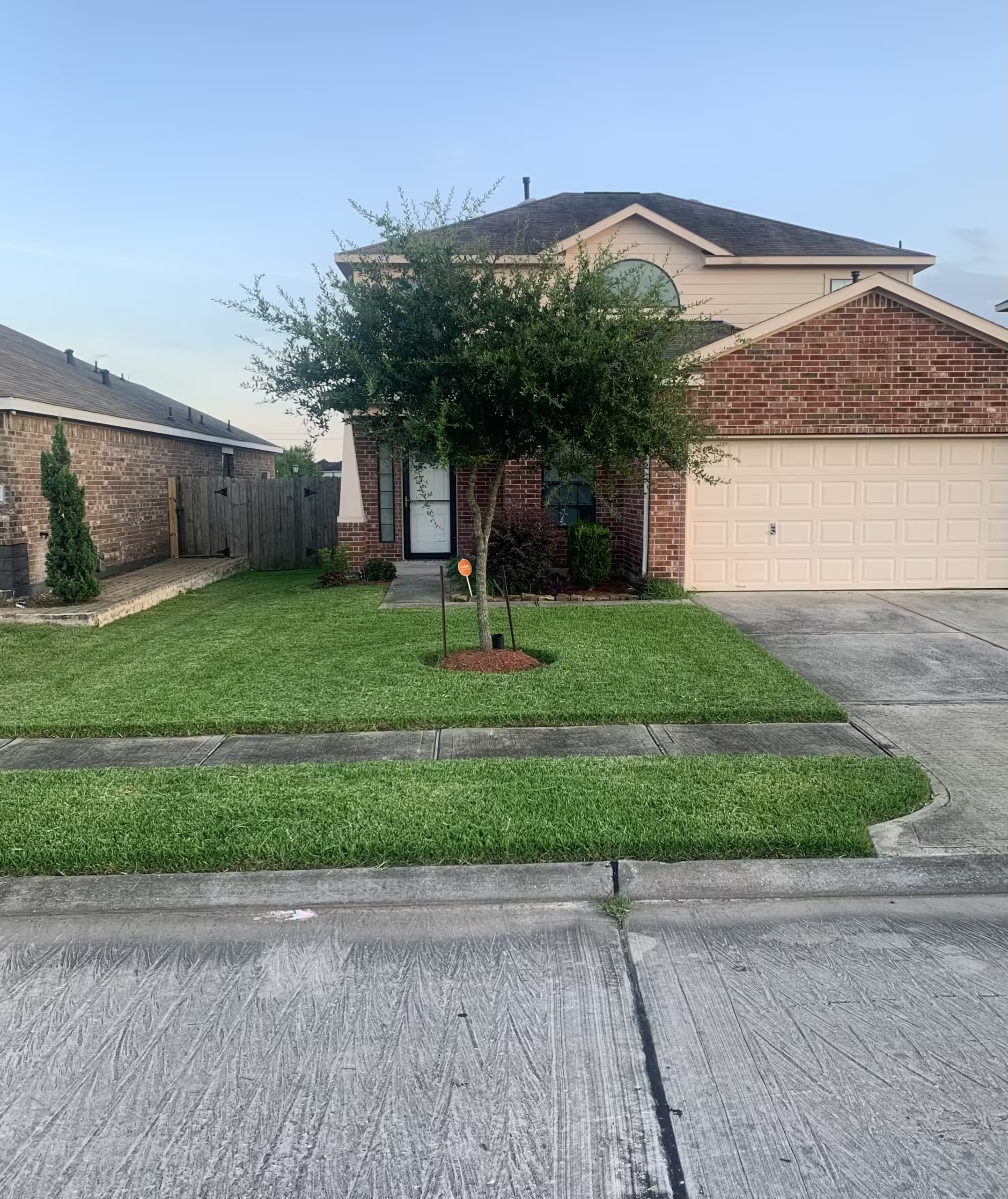
The most useful outcome is a lawn that fits the property, receives appropriate care, and can be maintained without repeatedly requiring major corrective work.
For homeowners trying to decide between recurring care and a one-time reset, our Houston Yard Maintenance & Cleanup Guide explains that distinction in more detail.
Common Questions Neglected Lawn FAQ
Can a neglected lawn recover without new sod?
Sometimes. The answer depends on how much healthy turf remains and what caused the decline. A lawn with recoverable turf and a correctable watering, mowing, or soil issue may improve without full replacement. Large dead areas or repeated turf failure may require repair or sod.
Does a brown lawn automatically mean it was neglected?
No. Heat, drought stress, excessive moisture, shade, irrigation problems, insects, disease, soil conditions, or recent lawn activity can produce similar symptoms. The pattern and site conditions should be reviewed before assuming neglect is the cause.
When does an overgrown lawn need a cleanup instead of mowing?
A cleanup may be more appropriate when tall grass is only one part of the condition and weeds, vines, leaves, brush, debris, neglected beds, or other areas also need to be addressed. Routine mowing is intended for lawns that are already within a manageable maintenance condition.
Should I water a struggling lawn more often?
Not automatically. First check irrigation coverage, soil moisture, recent rainfall, drainage, and whether the turf is actually showing drought stress. Excess watering can be as unhelpful as insufficient watering when the real problem is drainage, poor coverage, or another lawn condition.
What should I send Evergreen if I want the lawn reviewed?
Start with the property address, one or two wide photos, close-up photos of the problem areas, your grass type if known, recent watering and mowing information, and a short explanation of what changed. That context helps determine the appropriate next estimating or inspection step.
Not Sure What Your Lawn Needs Next?
Send the property address, current photos, and what you are seeing. Evergreen can review the condition and help determine whether the next step is maintenance, cleanup, repair, or a more detailed lawn review.
Request an Estimate Lawn symptoms can have more than one cause. Recommendations depend on site conditions, turf condition, service fit, and the scope identified during review.