
If you’re dealing with water pooling in Houston, you’re not alone. Between heavy rains, tight clay soils, and yards that settle over time, it’s easy for low spots to turn into soggy “mini ponds.” The good news: most pooling issues are fixable once you understand what’s causing them — and whether the right solution is a simple lawn-leveling tweak or a real drainage upgrade.

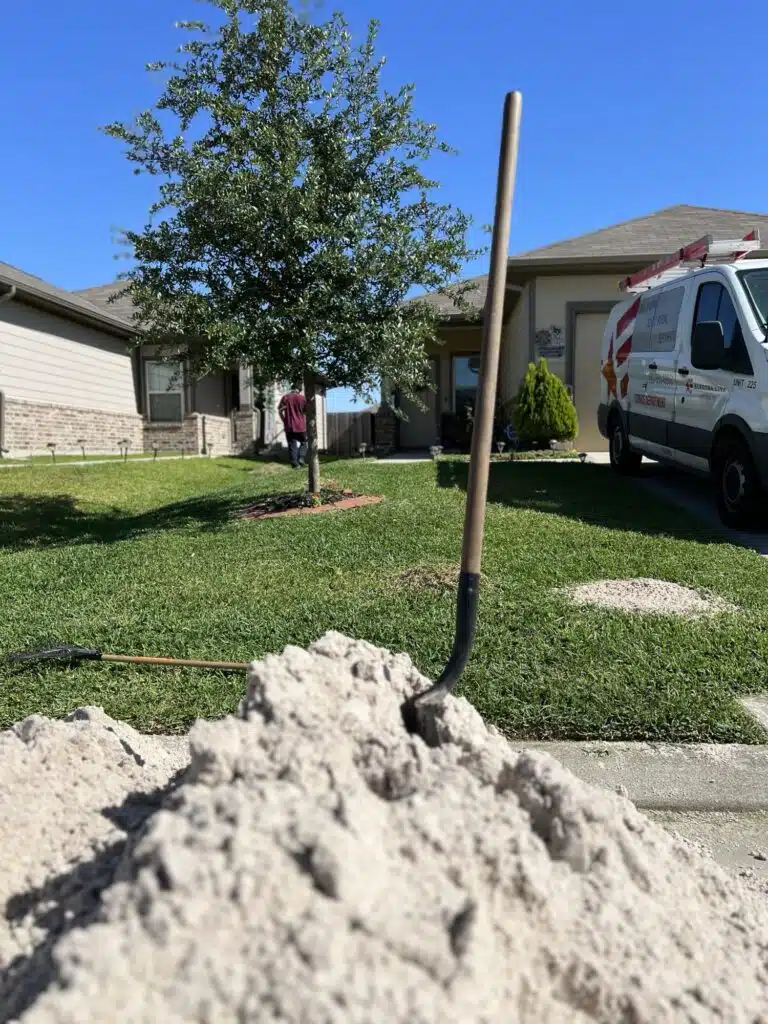
What Happens If You Ignore It?
Water pooling isn’t just annoying — it can quietly cause expensive problems over time, especially with Houston’s heavy rain cycles and slow-draining soils.
-
Kills grass and plants by suffocating roots and encouraging fungus/root rot
-
Erodes soil and washes out mulch, creating new low spots and uneven areas
-
Shifts landscape elements like edging, pavers, and bed lines as the ground softens
-
Weakens fence posts and patios as saturated soil loses stability
-
Adds long-term pressure near the foundation when water repeatedly sits where it shouldn’t
-
Attracts mosquitoes and pests when water stays stagnant
And here’s the hard truth: in many Houston yards, DIY gravel trenches and “temporary” gutter extensions usually don’t solve the real issue. They can help in small cases, but if the yard’s grading, compaction, or runoff routing is wrong, the pooling comes right back — sometimes worse, because the water just relocates to a new low spot.
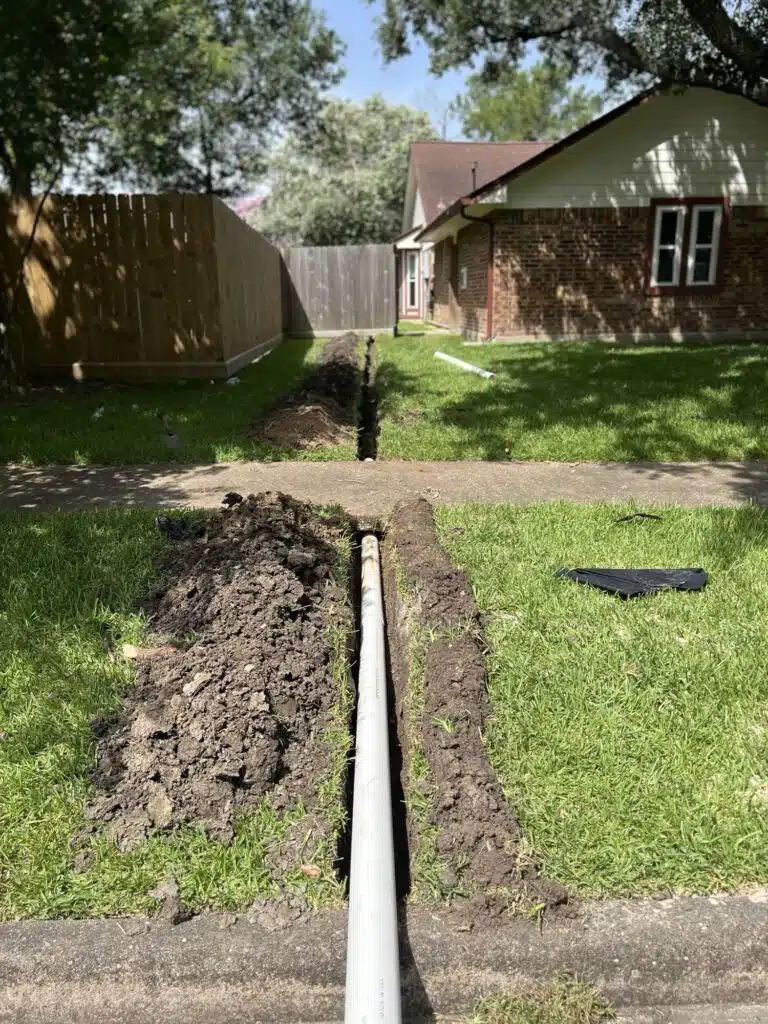
How Drainage Systems Solve the Problem | Water Pooling in Houston
Not every drainage problem needs major excavation. Often, the best approach is to find out exactly where water is collecting and why, then direct it to a safe place without digging up your whole yard.
When dealing with drainage issues here in Houston, we start by observing the yard and how water moves during and after rainfall, checking soil compaction, grading direction, and where roof runoff is released. From there, solutions are designed to address the specific problem area rather than overcorrecting the entire yard. If you get a chance to record a short video of your yard during a rainstorm, it’s an easy way to see where low spots and other areas can be improved.
Many homeowners are surprised at how clean and simple the right fix can be. We always try to use the least invasive solutions that keep your landscaping intact and still solve the problem for good. This might mean redirecting runoff, fixing a low spot, or adding a small drainage system where water gathers.
Depending on your layout, we may recommend:
✅ French Drains
A subsurface gravel-and-pipe system that collects groundwater and moves it away from soggy zones. Best for lawns that stay wet long after rain.
✅ Catch Basins or Surface Grates
Perfect for low spots, patio edges, or garden beds where water visibly gathers. They capture surface water fast and send it into an underground drain line.
✅ Downspout Drain Extensions (Buried or Surface)
Stops roof runoff from dumping at your foundation line by routing it to a safer discharge zone (like the curb, ditch, or a designated drain-out area). In small cases, a surface extension can work and is quick to install. But for the cleanest look and most reliable performance, a buried line is usually best—while still recognizing every yard and homeowner preference is different.
✅ Channel Drains (Linear Drains)
Great for driveways, patios, pool decks, and breezeways that flood or erode. They collect water across a long edge and move it out efficiently.
Key point: the goal isn’t “more drainage.” The goal is a clear path for water to leave your property safely — without creating a new swamp somewhere else in the yard.
Each of these systems is designed to shed water away from unwanted areas, protect your property, and work with your yard — not against it.
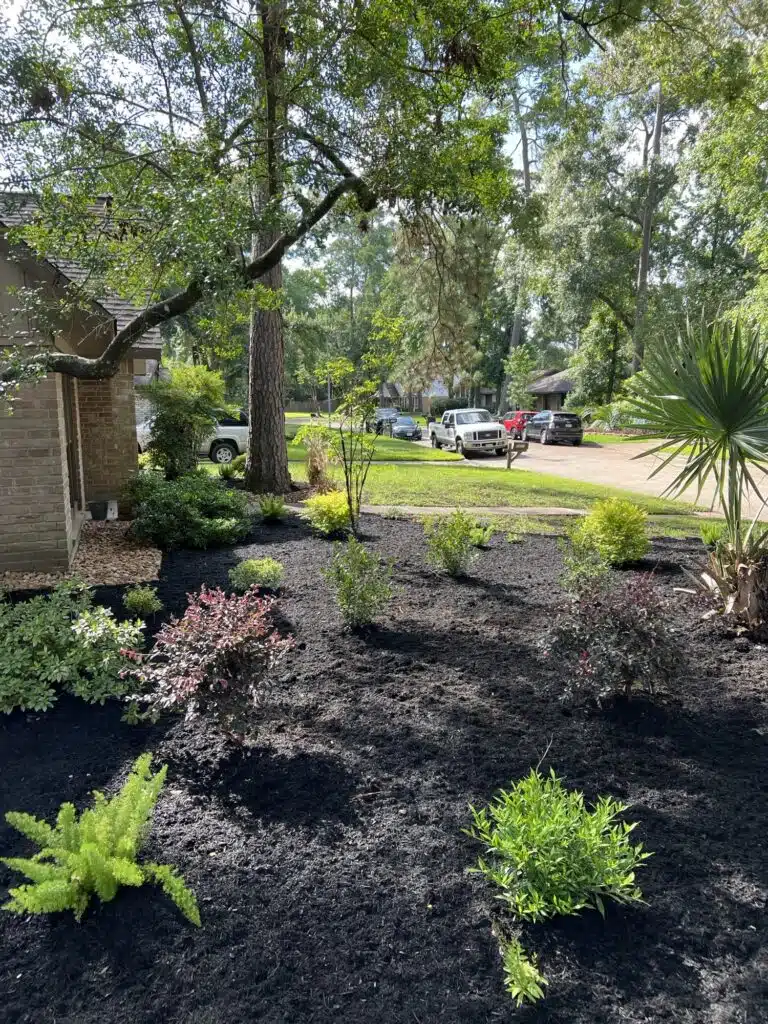
Not Sure What You Need? | Solutions for Water pooling in Houston
If you’re dealing with ongoing flooding or soggy grass, we’ll come assess your property and design a drainage plan that’s right for your situation. While DIY fixes might seem cheaper up front, they often lead to bigger headaches. According to this article, hiring a professional for drainage work saves time and money in the long run — especially in complex soil zones like Houston.
Looking to improve water absorption across your lawn too?
Don’t miss our aeration blog — it’s a simple but powerful way to help your yard drain better and stay healthy after heavy rains.
We’ll recommend the right setup — not the most expensive one. Sometimes a simple redirection solves years of frustration.

Drainage Isn’t Just a Landscape Problem — It’s a Property Problem
A soggy yard is more than just a muddy inconvenience. It’s a red flag. And if left untreated, it can lead to costly damage below the surface — from dead lawns to shifting foundations.
The fix? A well-designed drainage system that prevents water from pooling where it shouldn’t.
Ready to protect your lawn, garden, and home from water damage?
Quick Bonus for Those Of You Who Read To The End
Your lawn is part of your drainage system. A thick, healthy turf with a strong root network absorbs more water, holds soil in place, and reduces erosion — while thin, stressed grass turns into a muddy surface that sheds water and makes pooling worse. If you want to improve absorption from the “lawn health” side too, check out our Lawn Care Guide (it covers mowing height, soil health, and watering habits that build deeper roots).