Estimate mulch, soil, compost, rock, gravel, sand, or sod quantities for your Houston landscape project. Use dimensions or enter square footage directly if you already have it.
Planning material correctly helps reduce extra trips, over-ordering, and avoidable delivery confusion.
Choose the project type first. The calculator will adjust the questions, material notes, and recommended resources based on your selection.
Use this for mulch, soil, compost, rock, gravel, or sand. You can enter length and width, or use total square footage if you already know the area.
Mulch is commonly planned around a 2 to 3 inch depth depending on bed condition, weed pressure, and refresh vs. new installation.
Depth changes the estimate quickly. A light refresh, new mulch install, rock bed, soil amendment, and sand leveling pass should not all use the same depth by default.
Buffers help account for bed curves, uneven grade, settling, moisture, supplier loading differences, and light spreading waste. Simple square areas may only need a small buffer. Irregular beds, rock installs, and rougher prep areas usually need more.
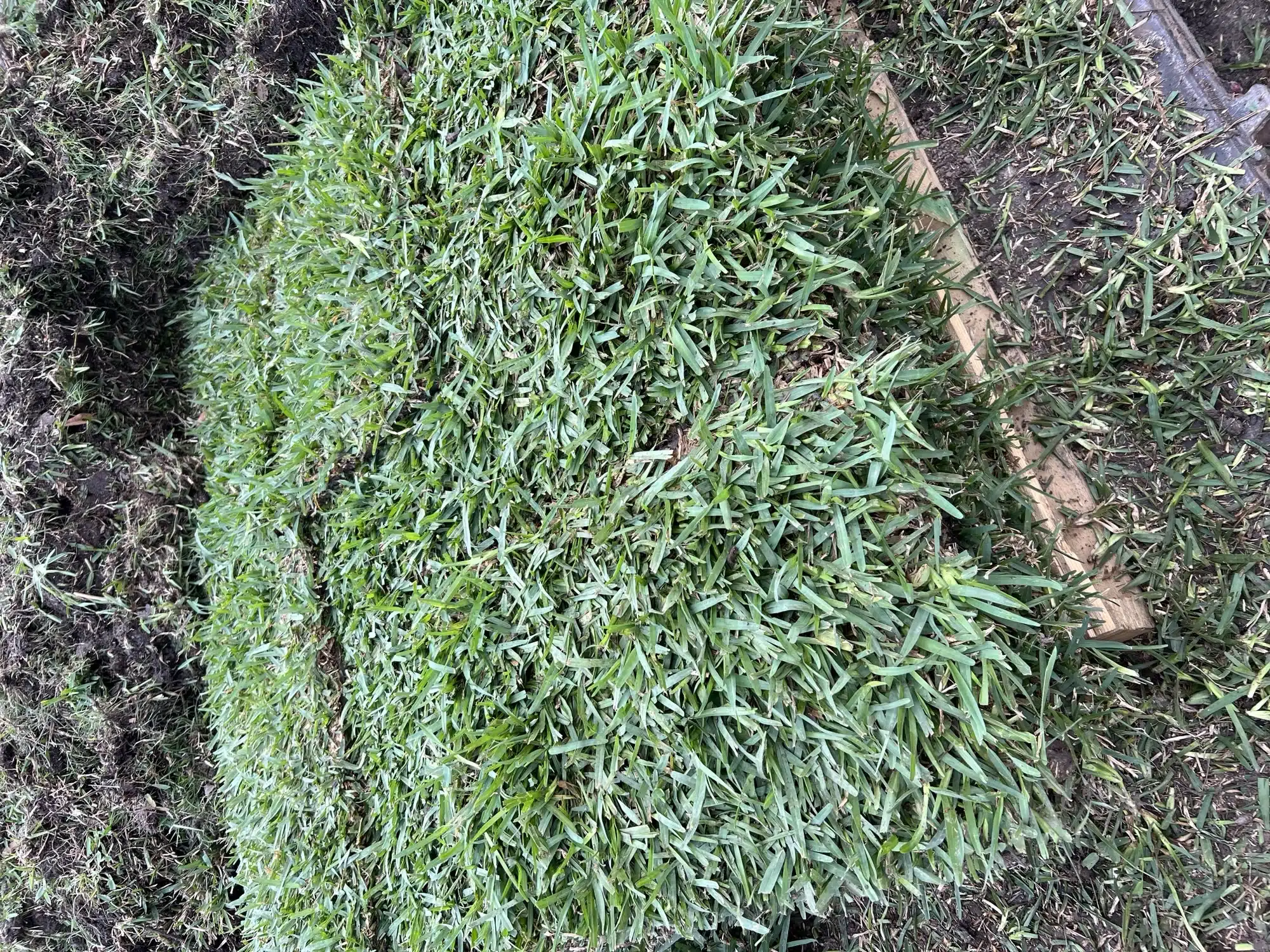
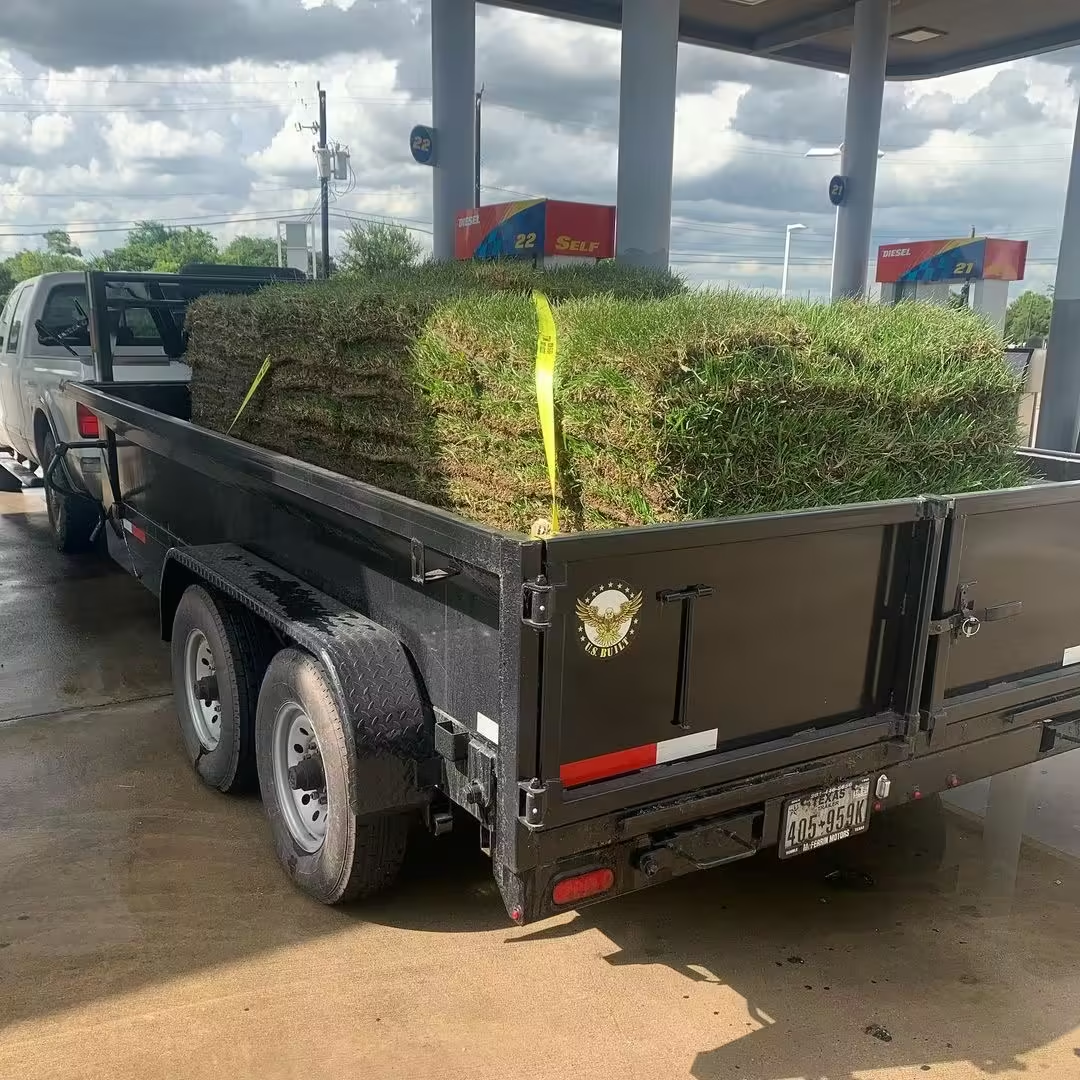
Estimate sod by square footage, pallets, and approximate pieces. Use dimensions or enter the total lawn area directly.
Sod buffers help cover cuts around curves, tree rings, sidewalks, sprinkler heads, beds, and odd corners. Simple rectangles may need less. Tight Houston side yards, curved beds, and broken-up lawn sections usually need more.
Material math is only one part of the job. Access, hauling, grading, spreading, cleanup, and timing all affect the final result. Send us your project details and we can help you choose the right service path.
Request Project GuidanceDisclaimer: This calculator is for planning purposes only. Bulk material volume can vary due to moisture, compaction, material texture, supplier loading, settling, and site conditions. Sod pallet coverage also varies by supplier and grass type. Final ordering should be confirmed before purchase or delivery.
Use this tool to get a practical starting estimate before ordering mulch, soil, compost, rock, gravel, sand, or sod. The goal is simple: less guessing, fewer supply runs, and a cleaner plan before the work starts.
Enter length and width, or use total square footage if you already know it. For odd shapes, break the area into smaller rectangles and add them together.
Select the material you are planning for, then choose the right depth or buffer. A mulch refresh, rock bed, soil amendment, sand leveling pass, and sod project should not all be calculated the same way.
Review the suggested quantity, selected buffer, and related resources before buying material. The number gives you a strong planning range, not a blind promise.
Planning note: This calculator is built for smarter project planning, not to replace a site evaluation. For larger projects, delivery planning, grading, sod work, drainage-sensitive areas, or heavy material installs, a professional look can prevent expensive mistakes.
The material calculator helps you estimate the material. The real work is getting it to the property, staging it correctly, spreading it cleanly, and finishing the project without turning your driveway or yard into a mess.
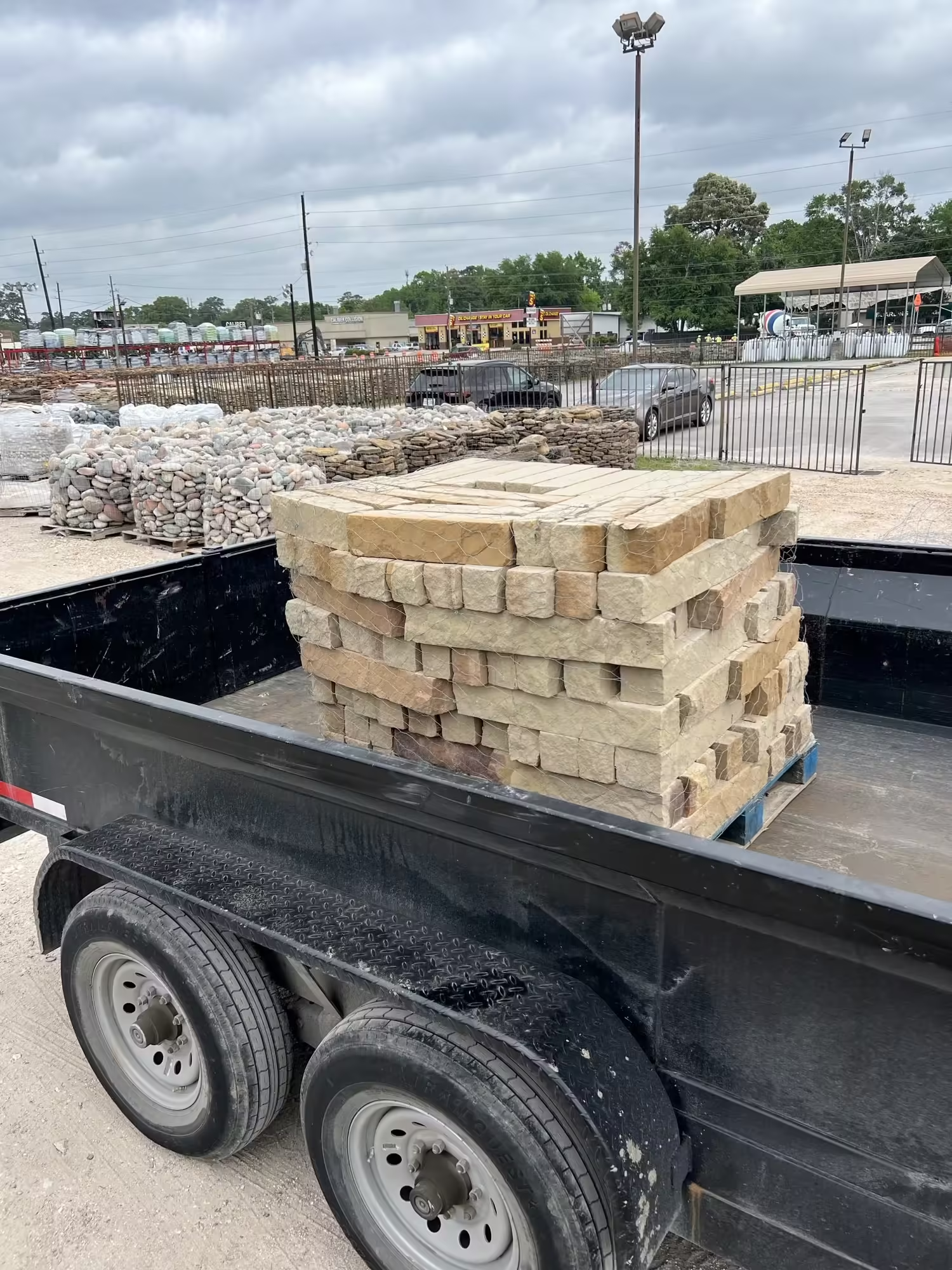
Bulk material projects usually become real once you see the quantity. Evergreen can help with sourcing, hauling, site prep, spreading, sod installation, rock or mulch installation, and cleanup when scheduling and project scope allow.
Using the material calculator is only one part of a successful outdoor project. Use Evergreen’s other tools to check lawn health, garden conditions, and the best next step for your property.
Check turf stress, watering issues, thinning areas, soil concerns, and next-step lawn care priorities.
Review bed condition, plant stress, soil needs, mulch coverage, and practical garden improvement options.
Explore Evergreen’s full set of planning tools for lawns, gardens, materials, HOA checks, and action plans.
The calculator gives you a smart starting point. The next challenge is getting the material delivered, staged, spread, and finished without wasting time, damaging the yard, or making extra supply runs.
Bulk mulch, rock, soil, compost, sand, and sod all come with real Houston logistics: tight gates, heavy clay, slopes, wet driveways, access limits, and cleanup. Those details affect how smoothly the project gets done.
When the job is more than a simple DIY pickup, Evergreen can help with material delivery in Houston, site prep, installation planning, and the outdoor work needed to turn the estimate into a finished result.
The calculator gives you a strong starting point. The next step is getting the material delivered, staged, spread, and finished without wasting time, damaging the yard, or making extra supply runs.
Most landscape beds are planned around 2–3 inches of mulch. A light refresh may only need around 1–2 inches, while a new bed or thin, exposed area may need closer to 3 inches.
The goal is to help with moisture retention, weed suppression, and cleaner bed presentation without piling mulch against trunks, stems, or foundations. If you want the material professionally installed, visit our mulch installation in Houston page.
The manual formula is Length × Width × Depth in feet ÷ 27. For example, a 3-inch depth must be converted to 0.25 feet before using the formula.
The calculator above does that math for you. Enter your area, choose the material, select your depth, and add a realistic buffer for curves, cuts, settling, supplier loading differences, and uneven grade.
Usually, yes. A small buffer helps account for real project conditions that clean math does not always capture.
No buffer may work when the area is simple and the material can be ordered very precisely, but it also increases the chance of running short.
Start with the square footage of the lawn area, then add a cutting buffer. Simple rectangular lawns may need less waste, while curved beds, sidewalks, sprinkler heads, tree rings, and tight side yards usually need more.
The calculator estimates pallets and approximate pieces based on the pallet coverage you choose. Supplier pallet sizes can vary, so always confirm coverage before ordering. For professional help, review our sod installation in Houston service page.
Delivery pricing depends on the material type, quantity, supplier distance, drop-off access, load size, and scheduling. A small local delivery is very different from moving multiple pallets of sod or several yards of rock.
For delivery-specific details, visit our material delivery in Houston page. We confirm pricing and logistics before scheduling so expectations stay clear.
Not always. If the drop-off area is accessible, safe, and clearly communicated, delivery can often be completed without you being home.
That said, access matters. Gates, low wires, narrow driveways, parked vehicles, soft ground, steep slopes, and HOA restrictions can affect where material can be placed. Clear instructions help prevent delays or rescheduling.
Light rain may not stop a delivery, but heavy storms, saturated ground, lightning, or unsafe access can affect timing. We may reschedule if conditions could rut the yard, damage the property, create unsafe working conditions, or make the install messy.
Houston weather moves fast, so the goal is simple: protect the property and complete the work under conditions that make sense.
Yes, when the project is a good fit for our schedule, route, and scope. Evergreen can help with material planning, delivery, spreading, sod installation, mulch installation, rock or gravel installation, cleanup, and related outdoor property work.
If you are not sure which service fits best, start with our Evergreen services hub or send the project details through our contact page.
Lawn care, sod, drainage, mulch, soil, seasonal tips, and project planning resources for Houston properties.