
Concrete projects for Houston yards are most useful when they solve daily friction: muddy paths, tiny patios, narrow parking, sinking equipment, awkward access, or broken slabs that make the property harder to use and maintain.
The best concrete projects for Houston yards are usually patio extensions, driveway additions, walkways, equipment pads, front walks, small borders, and concrete demo when old slabs are blocking a better layout. The right project depends on drainage, access, soil movement, how the yard is used, and whether the concrete needs to connect with sod, beds, rock, or other outdoor improvements.
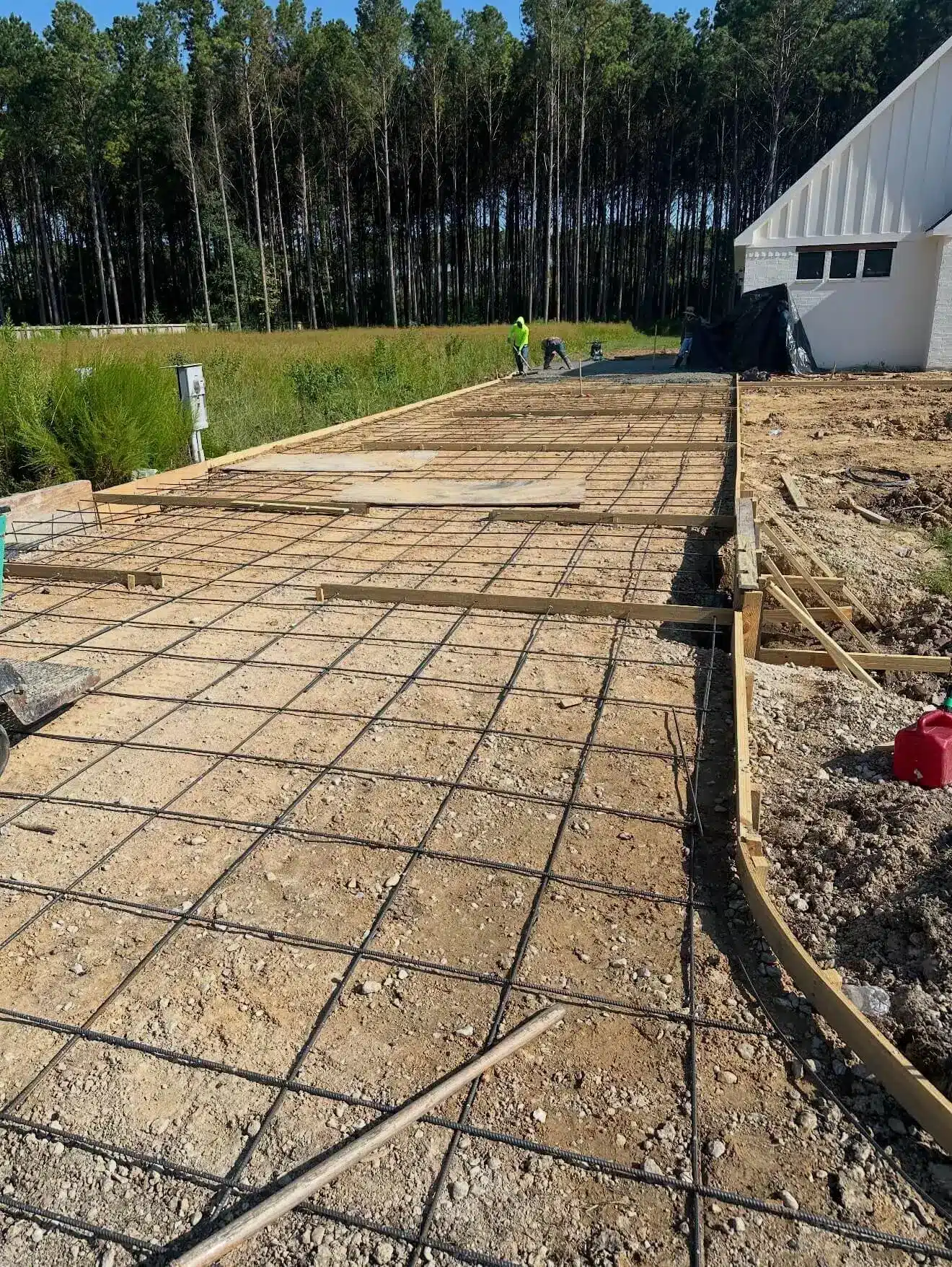
Houston yards work hard.
Between clay soil, heavy rain, heat domes, tight driveways, and side yards that turn into mud after one storm, most properties eventually develop a few areas that never feel finished. Bare dirt by the gate. A tiny builder patio. Ruts where everyone parks. A side yard that stays wet for days.
Concrete is not just about big driveways and plain gray slabs. Done thoughtfully, concrete can make the outdoor space easier to use, easier to maintain, and easier to connect with the rest of the property. The trick is sizing the project around real life, not just pouring a slab because there is empty space.
Houston clay moves, holds water, cracks when dry, and turns sticky after heavy rain. Any concrete project should be planned with slope, base prep, drainage, access, and the surrounding lawn in mind.
Builder patios are usually too small.
Many homes in Summerwood, 77044, Crosby, Humble, and similar neighborhoods come with a small back patio that technically counts as outdoor space but barely fits a grill and two chairs. A concrete patio extension adds enough hard surface to make the backyard usable for morning coffee, family cookouts, a small lounge setup, or a cleaner transition from house to lawn.
Size the patio for how it will actually be used. If you want a table, grill, and chairs, sketch that footprint first. Then build the patio around the real layout. A slab that looks good in a drawing can still feel cramped if nobody planned for chair movement, grill clearance, or shade.
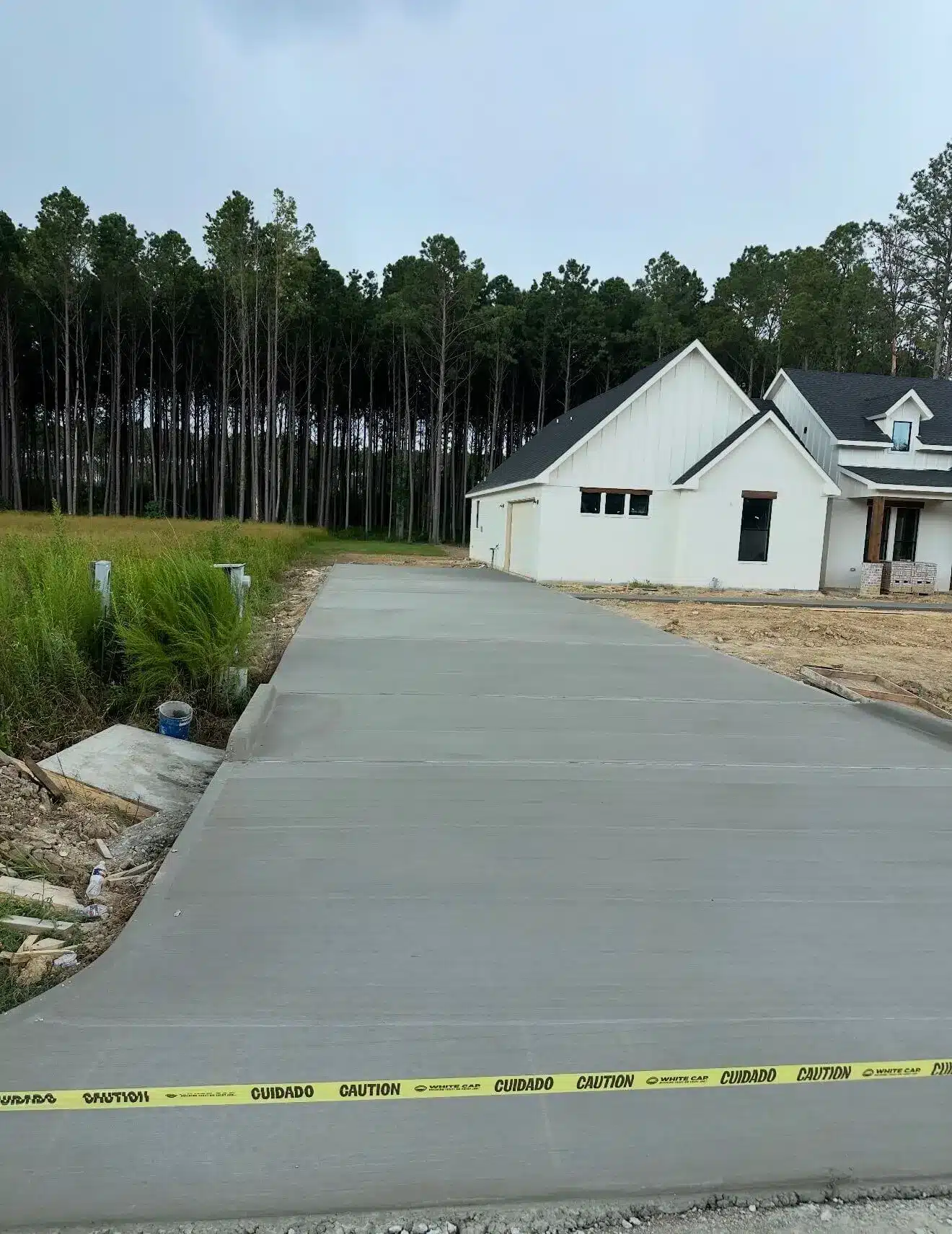
Driveways shape daily life.
If the driveway is too narrow, too short, cracked, or poorly placed, you feel it every time someone parks. Cars end up halfway on the grass. Work trucks chew up the side yard. Guests park in the street. Over time, the front of the property starts looking worn out even when the house itself is well kept.
A driveway extension does not always mean pouring a huge new slab. Sometimes the right move is widening one side, adding a clean parking wing, or creating a short pad near the gate. That small change can protect the lawn and make the front of the property look more controlled.
For larger driveway or slab work, review our concrete services in Houston page. It explains where professional concrete planning fits better than trying to patch a high-use area with temporary fixes.
Mud paths are warning signs.
If everyone takes the same shortcut through wet grass to reach the gate, trash cans, driveway, or backyard, the yard is telling you where a walkway belongs. In Atascocita, Humble, and Northeast Houston neighborhoods, side yards often turn into narrow wet trails because water, shade, and foot traffic all hit the same small area.
Walkways do not have to be complicated. A straight walk from driveway to gate can solve more day-to-day frustration than a decorative feature nobody uses. If the area also has drainage issues, pair walkway planning with a look at Houston yard drainage solutions before locking in the layout.
Equipment needs a stable home.
AC units, generators, pool equipment, and utility areas work better when they are not leaning, sinking, or surrounded by mud. A small concrete pad can give that equipment a clean, stable surface while also making service visits easier.
Here is where most people mess up: they treat small pads like they do not matter. But clay soil movement, erosion, and poor drainage can still affect small slabs. The pad may be small, but the conditions around it still need attention.
The front walk sets the tone.
Some properties have no front walk. Others have a narrow builder sidewalk that does not match how guests, deliveries, kids, or everyday traffic actually move through the property. A better front walk can make the entry feel cleaner, safer, and more intentional.
In older Houston neighborhoods with established trees, front walk planning should consider roots, shade, drainage, and existing beds. A new walk should not create a moat effect where water gets trapped between concrete and the house.
Borders can help.
Small retaining edges, concrete borders, and hard edges can help hold mulch, rock, soil, and beds in place. This matters after heavy rain, especially where the yard slopes toward sidewalks, driveways, or low lawn areas.
The warning is simple: do not trap water. A border that looks clean but blocks runoff can make the yard wetter. Borders should work with downspouts, drains, grade, and the natural fall of the property.
If your goal is a cleaner low-maintenance edge, concrete is not the only option. Some properties may be better served by garden edging and border stone installation or by pairing borders with rock and gravel installation in Houston.
Not all concrete is worth saving.
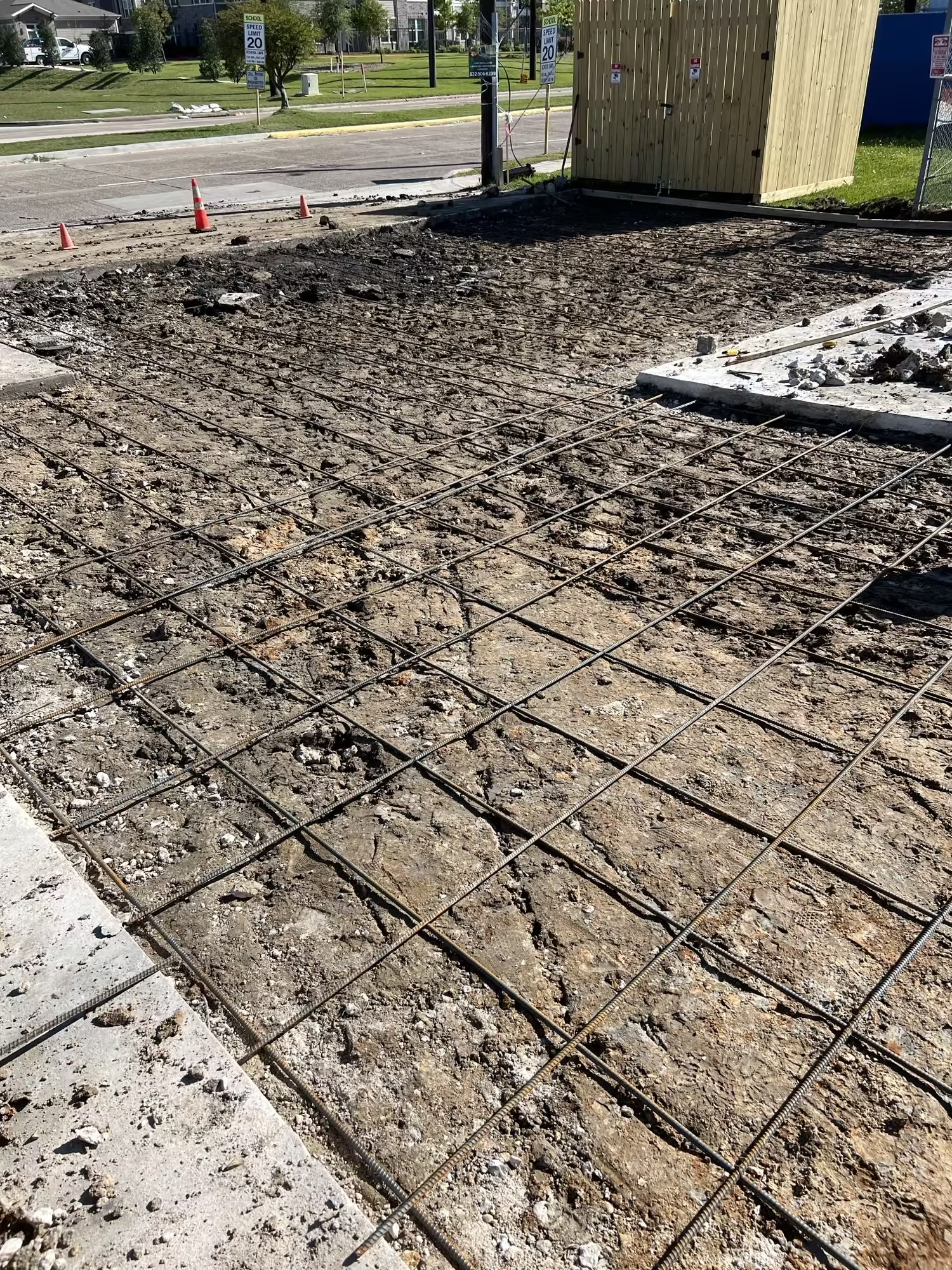
Sometimes the best concrete project starts by removing old slabs, broken sections, random pads, or awkward add-ons that no longer fit the property. Demo and haul-off can open up better options for lawn, beds, new hardscape, or cleaner drainage.
Concrete demo feels like destruction, but done with a plan, it can be the first step toward a cleaner outdoor space. Removing the wrong hard surface can make the right one easier to build.
Do not start with the slab.
Start with the friction. Where do you step into mud? Where does parking damage the lawn? Where does water sit? Where does furniture not fit? Where does the property feel unfinished even though the rest of the yard is maintained?
| Problem Zone | Likely Concrete Project | What to Check First | Best Next Step |
|---|---|---|---|
| Tiny back patio | Patio extension | Shade, furniture layout, drainage, lawn edge. | Design around how the space will be used. |
| Cars parking on grass | Driveway extension | Vehicle size, slope, runoff, street access. | Plan parking without creating water problems. |
| Muddy side yard | Walkway or path | Drainage, shade, gate width, foot traffic. | Decide whether water control is needed first. |
| Sinking AC or generator | Equipment pad | Level, access, service clearance, water flow. | Build a stable surface that stays usable. |
| Broken old slab | Demo and replacement | Height, drainage, cracks, surrounding grade. | Remove what blocks the better layout. |
If you are not sure whether your project should start with concrete, lawn repair, rock, drainage, or cleanup, the Evergreen services hub can help you compare the right starting point without forcing every outdoor issue into one category.
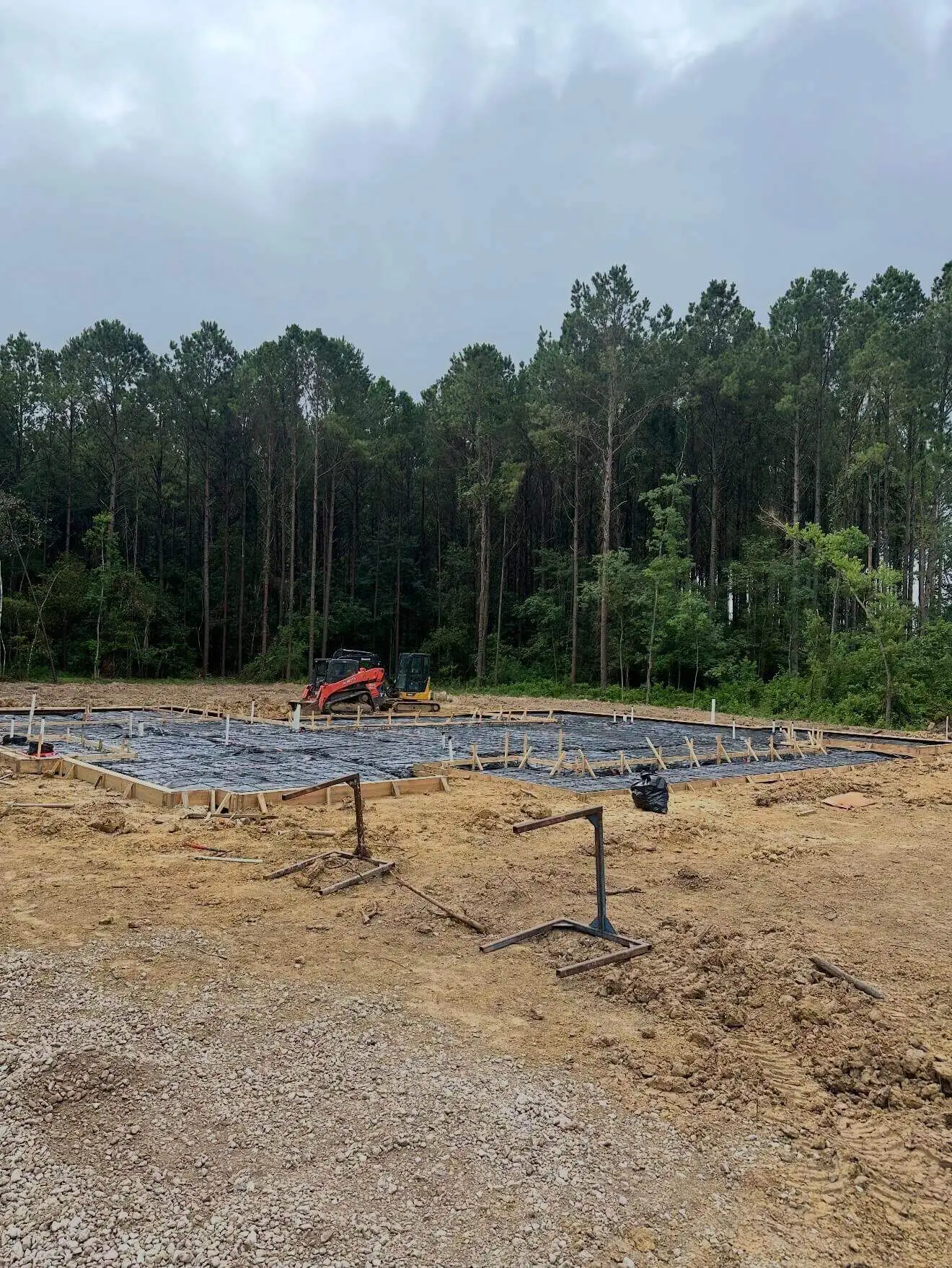
A concrete quote is not only about square footage. Access, demo, hauling, base prep, slope, drainage, forming, reinforcement, cleanup, and how the slab connects to the lawn all affect the scope. Cheap concrete can become expensive if it creates water or usability problems later.
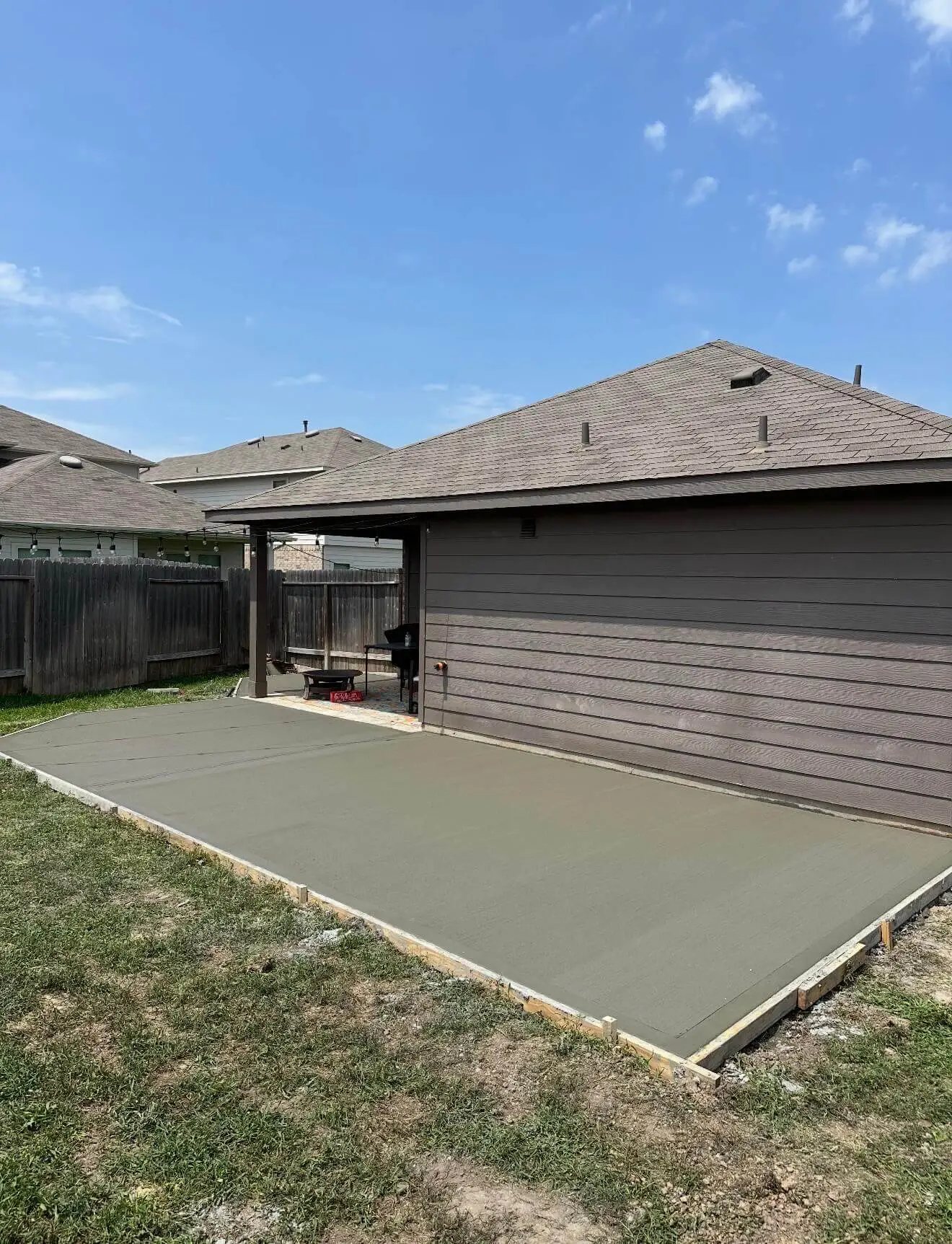
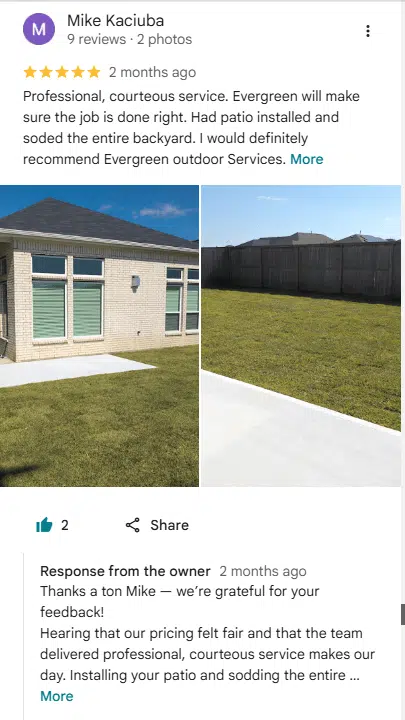
One recent Crosby project shows how concrete and lawn work can support each other.
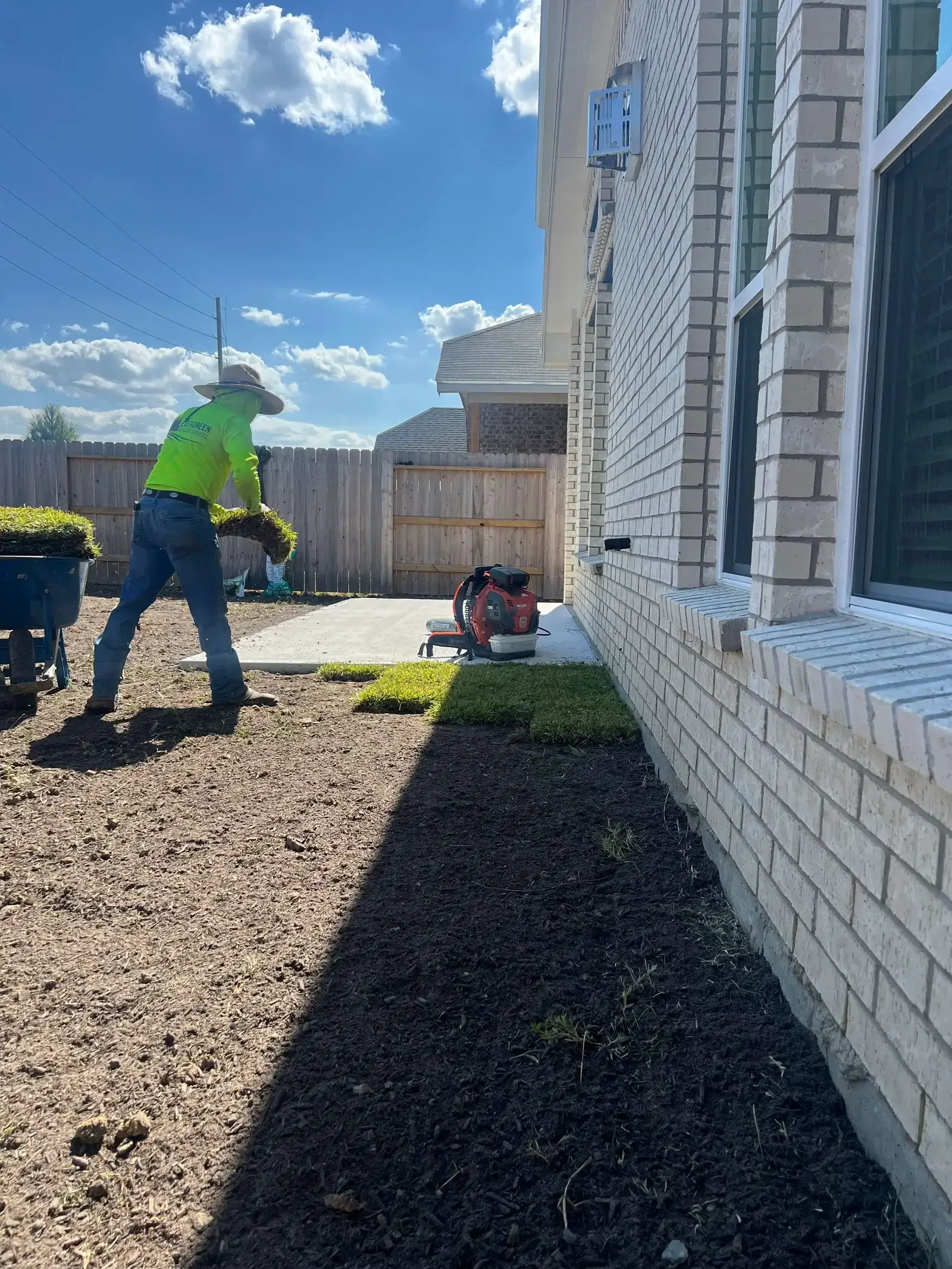
The homeowner wanted a backyard he could actually use. The original patio was small, and the grass was struggling after construction. We installed a clean concrete patio extension and then resodded the backyard so the patio and lawn worked together as one finished space.
The goal was simple: more room for a table, a chair, and quiet morning coffee while the dogs still had a clean green area to enjoy.
Because the concrete and sod were planned together, the edges, grade, and layout looked intentional instead of like two separate projects patched together. If your yard needs a similar mix of hard surface and green space, our sod installation in Houston page can help you compare the lawn side of that kind of project.
For most homeowners, the highest-impact projects are patio extensions, driveway additions, walkways, equipment pads, and removing broken concrete that blocks a better layout.
Concrete can be poured throughout the year when conditions are managed correctly. Mild spring and fall weather can be easier on scheduling and curing, while summer heat and rain forecasts require closer planning.
Large unplanned slabs can add heat and glare, but a well-sized project paired with lawn, beds, shade, or rock can make the yard easier to use and maintain.
If water already pools in the area, yes, drainage should be reviewed before the slab is planned. Concrete can redirect water, so slope and runoff need to be considered before the pour.
Yes, and that is often the better approach. Concrete, sod, rock, mulch, beds, and drainage affect each other. Planning them together can prevent awkward edges and repeated rework.
Project availability depends on location, access, schedule, and scope. You can review our Houston service areas to see where Evergreen commonly works.
Before guessing at measurements, use Evergreen’s free tools to think through yard dimensions, project planning, and outdoor improvement needs.
Use the Free Tool Hub Calculate your yard’s square footage and material needs instantly, no more guessing at the supply store.If your yard has one or two spots that never quite work, you are not alone. Tiny patios, muddy paths, awkward parking, sinking equipment, and random broken slabs show up across Houston properties all the time.
Walk your property with this list in mind and look for the areas that create daily friction. The best concrete project is not always the biggest one. It is the one that makes the property easier to use, easier to maintain, and easier to enjoy.
For general concrete standards and industry education, you can also visit the American Concrete Institute.
Concrete work should solve a real problem, not create new ones. If you are dealing with muddy access, limited patio space, driveway issues, broken slabs, or a yard layout that does not function well, Evergreen can help you think through the right next step.