Gardening is a beloved hobby for many Houston homeowners. However, if you share your garden with furry companions, it's essential to choose plants wisely. While Houston's climate allows a wide variety of plants to thrive, some popular species can pose severe health risks to pets — from mild digestive upset to life-threatening complications.
Updated for the 2026 season: This guide reflects the latest toxic plant concerns for pets in Houston's climate and landscaping trends, including regional plant behavior and common yard species that pose risks to dogs, cats, and other pets.
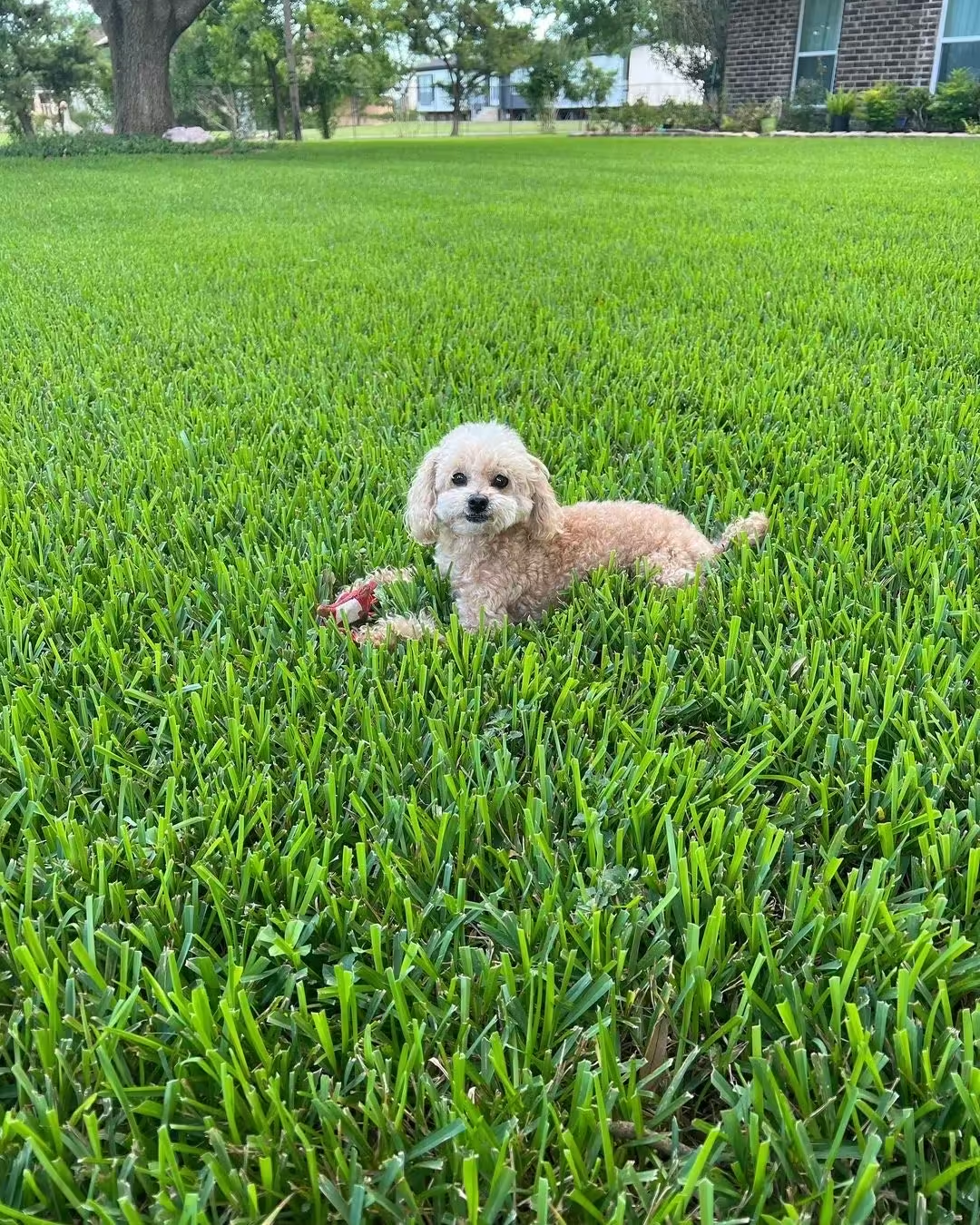 A beautiful Houston lawn can be a safe space for pets — if you know which plants to avoid and which to choose.
Before anything else — check this list against your yard right now. The top three cards (in red) are life-threatening. If any of them are growing on your property, removal is the single most important thing you can do for your pet's safety today.
Liver failure and death — any part is lethal
Fatal heart complications from even small amounts
Life-threatening heart failure — even a nibble
Severe vomiting, diarrhea, heart problems
Vomiting, diarrhea, heart complications
Abdominal pain, vomiting, hypersalivation
Digestive upset, lethargy
Drooling, vomiting — bulbs are most toxic
Vomiting, diarrhea, lethargy
Houston's climate allows an array of lush plants to flourish, but some can be surprisingly dangerous for pets. We've ranked them from least to most harmful — stick around to the end for a bonus plant that's quietly becoming one of Houston's most dangerous yard threats.
Widely used for its healing properties, Aloe Vera is mildly toxic to pets. Ingesting it can lead to vomiting, diarrhea, and lethargy. If you love Aloe, keep it in elevated pots out of reach.
🐕 Dogs & 🐈 Cats: Affects both similarly — gastrointestinal upset is the primary concern. Not typically fatal but warrants a vet call if a large amount was consumed.
These vibrant spring bloomers cause the most trouble when pets dig up the bulbs — where toxin concentration is highest. Symptoms include drooling, vomiting, and diarrhea.
🐕 Dogs & 🐈 Cats: Cats tend to be more sensitive to tulip toxins than dogs and can show more severe GI symptoms from smaller amounts.
Hydrangeas contain cyanogenic glycosides which can cause digestive upset and lethargy. Despite their beauty, they pose real risks to curious pets who chew on foliage or flowers.
🐕 Dogs & 🐈 Cats: Both are susceptible, though dogs more commonly ingest garden plants by chewing. Cats rarely eat hydrangeas but are equally at risk if they do.
This popular ground cover can cause vomiting, abdominal pain, and drooling if ingested. Replace it with safer options like Boston Ferns, or fence it off where pets roam.
🐕 Dogs: More likely to chew on ivy as ground cover. 🐈 Cats: May rub against or nibble leaves — skin contact can also cause mild irritation in both species.
 Pets explore with their senses. Even a well-groomed Houston yard can harbor serious health risks if the wrong plants are present.
Toxic from root to flower — ingesting any part, especially the bulb, can result in vomiting, diarrhea, and heart problems. Spring planting season is when these show up most in Houston yards.
🐕 Dogs & 🐈 Cats: Both equally at risk. The bulb is the most dangerous part — dogs that dig are particularly vulnerable during fall bulb-planting season.
Ingesting even small amounts can cause dangerous heart issues. Common in Houston landscaping — and frequently planted without awareness of the risk. Replace with Marigolds or Spider Plants.
🐕 Dogs & 🐈 Cats: Grayanotoxins affect both equally. As few as a handful of leaves can cause cardiovascular symptoms — this one should not be underestimated.
 With the right plant choices, your backyard becomes a safe zone — not a risk zone — for the pets who enjoy it most.
One of the most dangerous plants for pets in existence. Any part — particularly the seeds — can cause liver failure and death within 24–48 hours of ingestion. If it's on your property, removal is not optional.
🐕 Dogs: Especially at risk — dogs are drawn to the seeds. Survival rate after ingestion drops sharply without immediate veterinary intervention. 🐈 Cats: Equally lethal — no safe dose.
Its lovely pink flowers make it one of Houston's most planted — and most dangerous — shrubs. Even a small amount causes fatal cardiac complications. All parts are toxic, including dried leaves and smoke from burning it.
🐕 Dogs & 🐈 Cats: Both at extreme risk. Never burn oleander clippings — inhaled smoke is toxic to pets and humans alike.
Contains digitalis — used in heart medications, but wildly toxic to pets in raw form. Even a tiny nibble can result in life-threatening heart failure. Do not plant it in any yard where pets have access.
🐕 Dogs & 🐈 Cats: Cats may be slightly more sensitive due to body weight, but the margin is irrelevant — both face life-threatening risk from any amount ingested.
Here's the one most Houston homeowners have never heard of — and that's exactly the problem. Poison Hemlock has quietly spread across Houston neighborhoods and is now appearing in residential yards and roadsides citywide. It is extremely toxic to both pets and humans. Skin contact causes irritation; ingestion can lead to respiratory failure and death. Scroll down for the full spotlight on how to identify and remove it safely.
Poison Hemlock (Conium maculatum) has become a significant concern in Texas, particularly in Houston, due to its increased presence in residential areas and roadsides. This plant is extremely toxic to both pets and humans. Contact with the skin can cause irritation, and ingestion leads to respiratory failure or death.
Identifying Poison Hemlock is crucial — it grows up to 10 feet tall and has umbrella-shaped clusters of small white flowers, similar in appearance to Queen Anne's Lace. If you see this plant in your yard, remove it carefully using full protective gear (gloves, long sleeves, eye protection), and replace it with safer alternatives like Marigolds or Zinnias.
For every toxic plant, there's a safer alternative. Below are excellent pet-friendly plants that thrive in Houston's climate and will keep your furry friends safe.
Perfect for both indoor and outdoor settings. Safe for pets and low-maintenance. Hang in baskets or use as ground cover — a great swap for English Ivy.
Thrives in shady Houston spots and adds lush greenery. Non-toxic and an excellent substitute for English Ivy in both look and coverage.
Want a tropical feel without the risk? Bamboo Palm is a non-toxic alternative to the highly dangerous Sago Palm — and it looks stunning.
Pet-safe, vibrant, and they thrive in Houston's sun. An excellent replacement for Azaleas or Rhododendrons in borders and garden beds.
Entirely safe for pets. Add a pop of seasonal color to beds and borders — beautiful, easy to grow, and zero toxicity risk.
Found a Sago Palm, Oleander, or Foxglove on your property? Don't leave it for later. Here's how to remove it safely without putting yourself or your pets at additional risk.
Before touching any toxic plant, put on thick rubber gloves, long sleeves, closed-toe shoes, and eye protection. For Poison Hemlock or Oleander, a face mask is recommended. Keep pets and children inside until the job is completely done.
Cut the plant down at the base and place all parts — stems, leaves, seeds, roots — directly into heavy-duty contractor bags. Double-bag anything with seeds (especially Sago Palm). Seal immediately and do not set the bags down in areas your pets can access.
Place sealed bags in your regular trash for city pickup. Do not compost toxic plants — toxins persist in compost and can affect new plantings and soil that pets come into contact with. Never burn Oleander or Hemlock — the smoke is toxic to both pets and people.
If your pet has ingested a toxic plant, recognizing the signs of poisoning early is critical. The first five minutes matter more than most people realize — see the emergency protocol below.
Houston SPCA Veterinary Clinic — Emergency care and toxin ingestion expertise.
VCA Animal Emergency Hospital (SE Calder Rd) — 24-hour emergency services.
Texas A&M Small Animal Hospital — Advanced care for severe poisoning cases.
This is the highest-risk window for pet owners. Nurseries stock heavily, garden centers run promotions, and homeowners add new plants without always checking for toxicity. Azaleas, Tulips, Daffodils, and Hydrangeas are all popular spring purchases — and all appear on this list. Before anything new goes in the ground, run it through the ASPCA Toxic Plant Database first.
Designing a garden that's safe for your pets doesn't mean sacrificing beauty. Here are expert tips for achieving both.
Sago Palm is one of the most dangerous plants for pets in Houston. Consuming even a small amount — particularly the seeds — can cause liver failure and death. Oleander and Foxglove are equally life-threatening. If any of these are on your property, removal should be a priority.
Yes — mildly. Aloe Vera can cause vomiting, diarrhea, and lethargy in both dogs and cats. It's not immediately life-threatening in small amounts, but repeated ingestion or a large quantity warrants a vet call. Keep it in elevated pots or areas your pets can't access.
Spider Plants, Boston Ferns, Bamboo Palm, Marigolds, and Zinnias are all pet-safe and thrive in Houston's climate. They make excellent substitutes for toxic species like English Ivy, Sago Palm, and Azaleas — without sacrificing color or texture in your landscape.
Signs include vomiting, excessive drooling, lethargy, diarrhea, difficulty breathing, and abnormal heart rate. Contact your vet immediately if you observe any of these symptoms after possible plant exposure. Early intervention is often the difference between a full recovery and a life-threatening emergency.
Yes. Poison Hemlock has become a growing concern in Houston and across Texas. It is extremely toxic to both pets and humans — skin contact causes irritation and ingestion can lead to respiratory failure or death. It closely resembles Queen Anne's Lace, so careful identification matters. If you see it in your yard, remove it using full protective gear or call a professional.
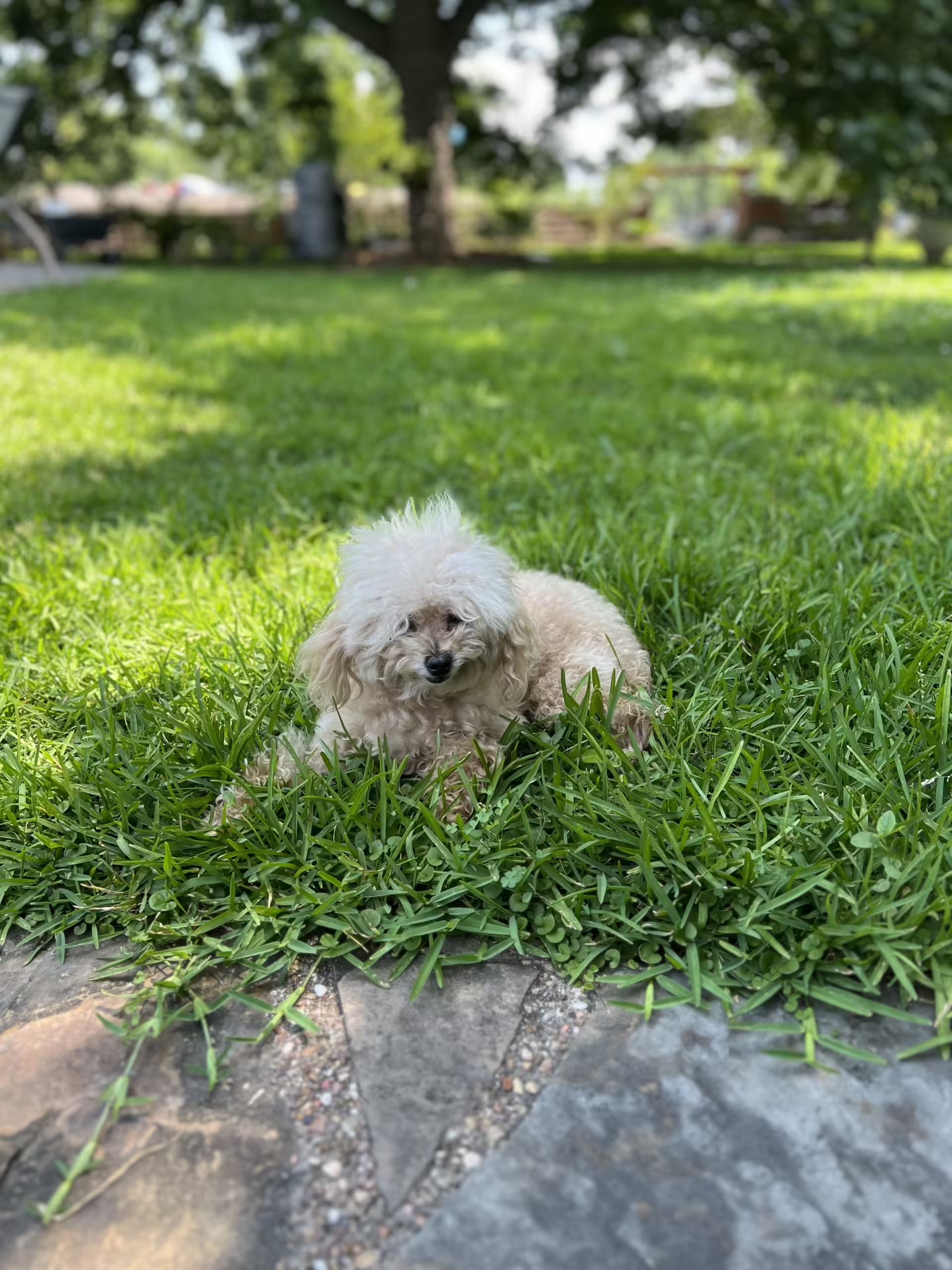 A thoughtfully designed landscape is safe for everyone in the family — including the four-legged members.
We can help you design and install a lush, vibrant Houston landscape using pet-safe plants — without giving up color, texture, or curb appeal. Call us at 832-506-8239 or request a complimentary estimate online.