Send the property address, approximate size, photos or video, and a short explanation of what you need the property to become.
We’ll review the property, your goal, and the scope to determine the appropriate next step.
Heavy brush, saplings, selected trees, debris, and limited access can turn a vacant lot or acreage into a project that needs more than routine cleanup. The first step is deciding what you need the property to become.
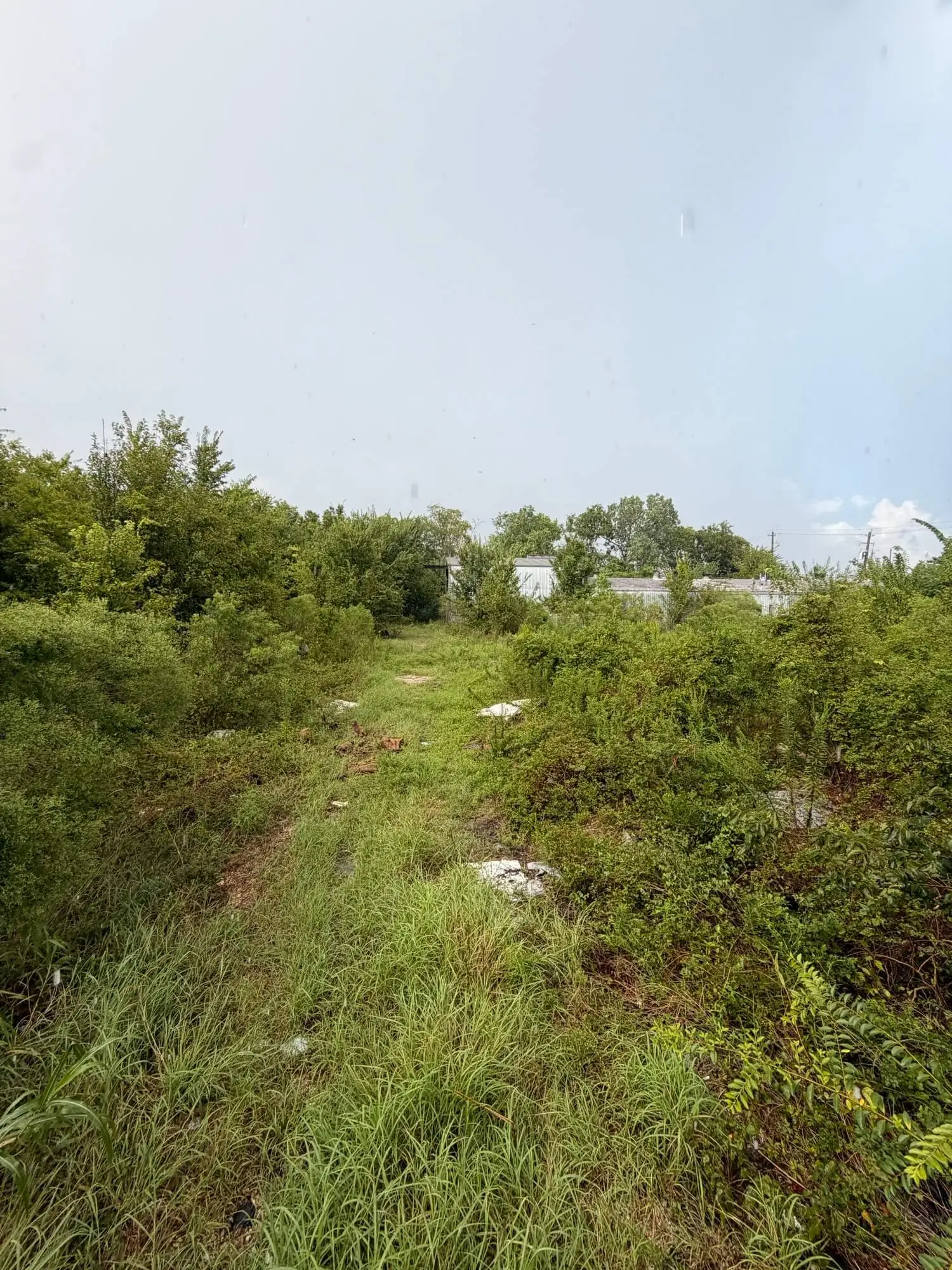
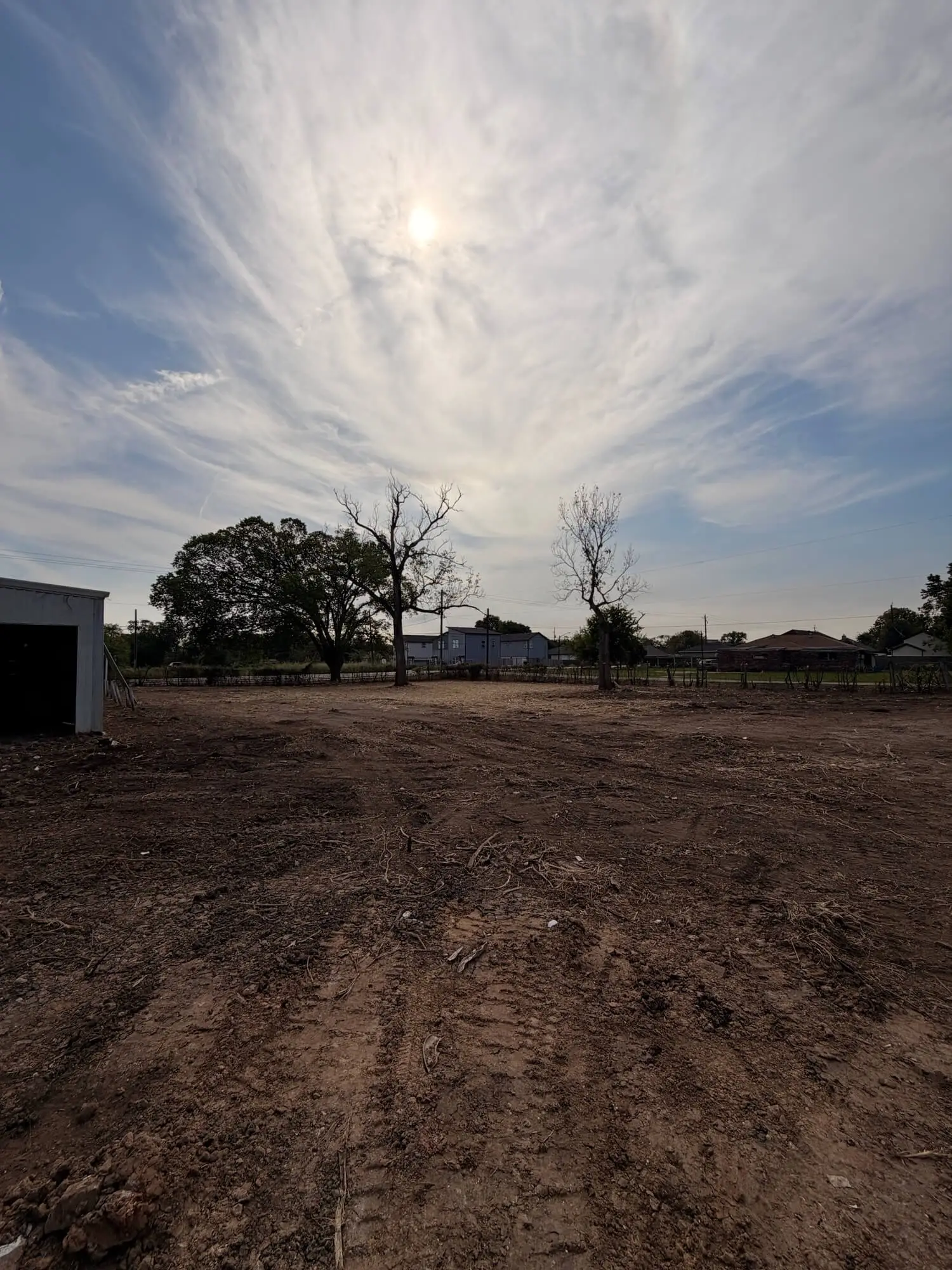
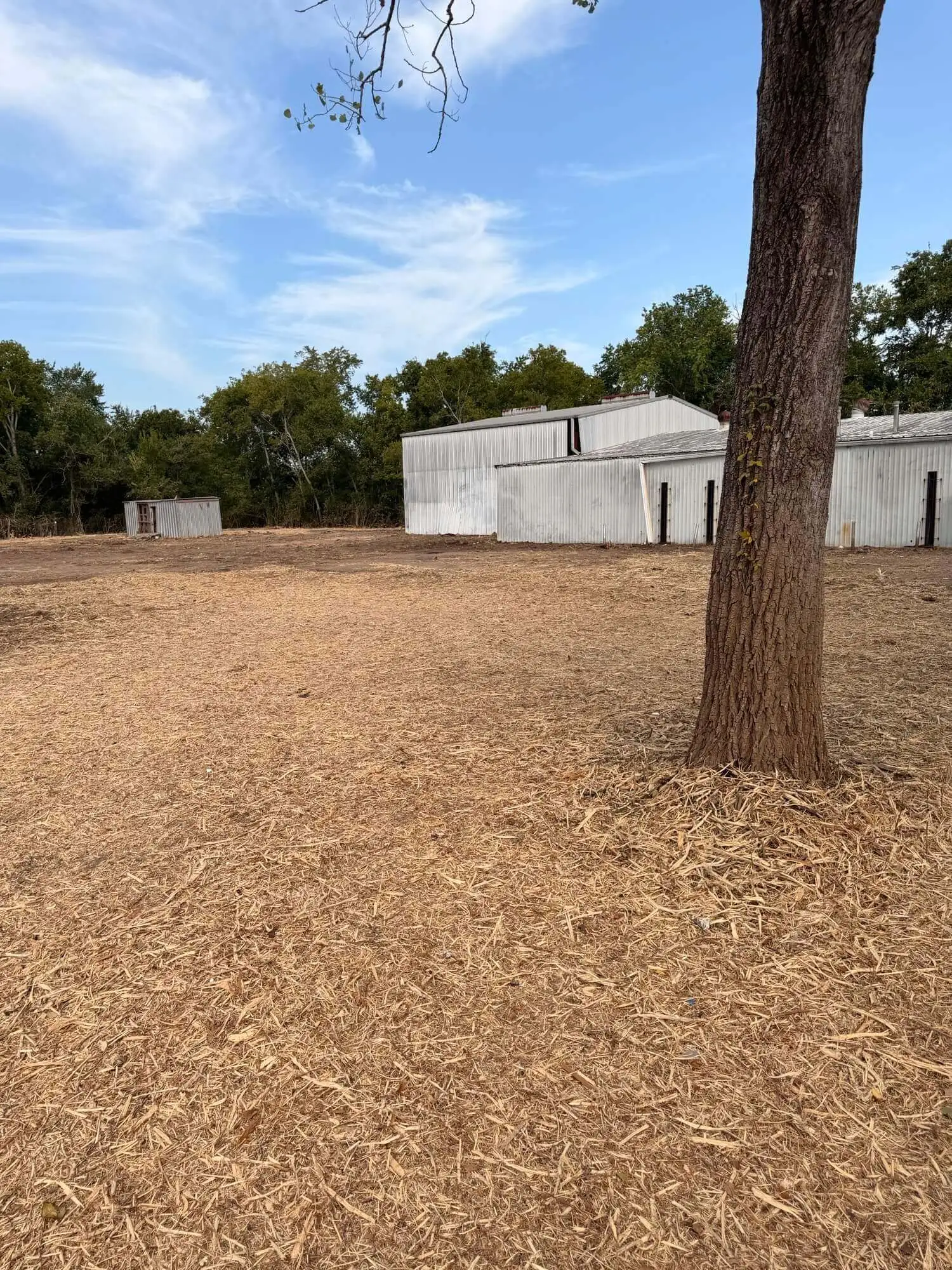
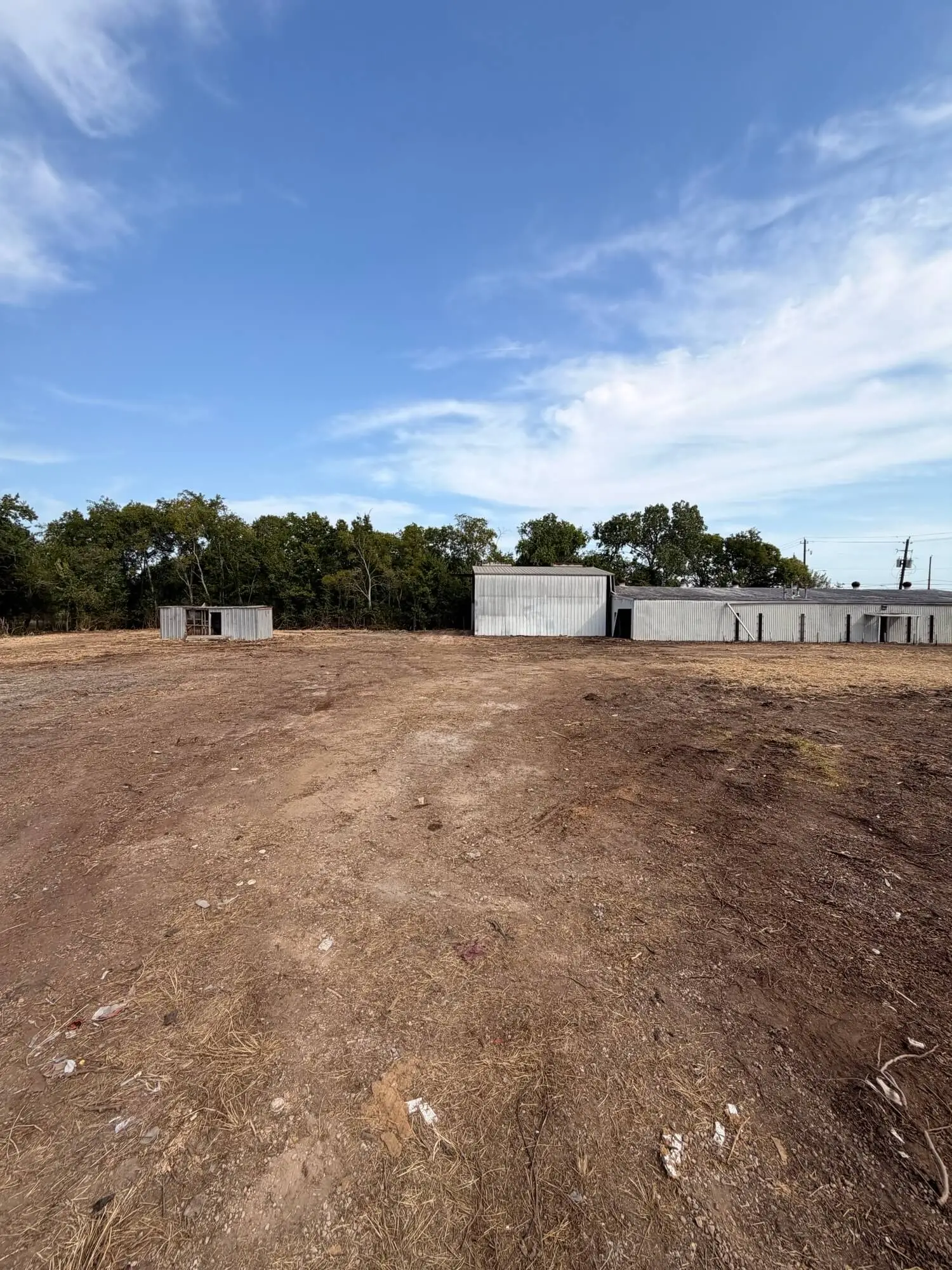
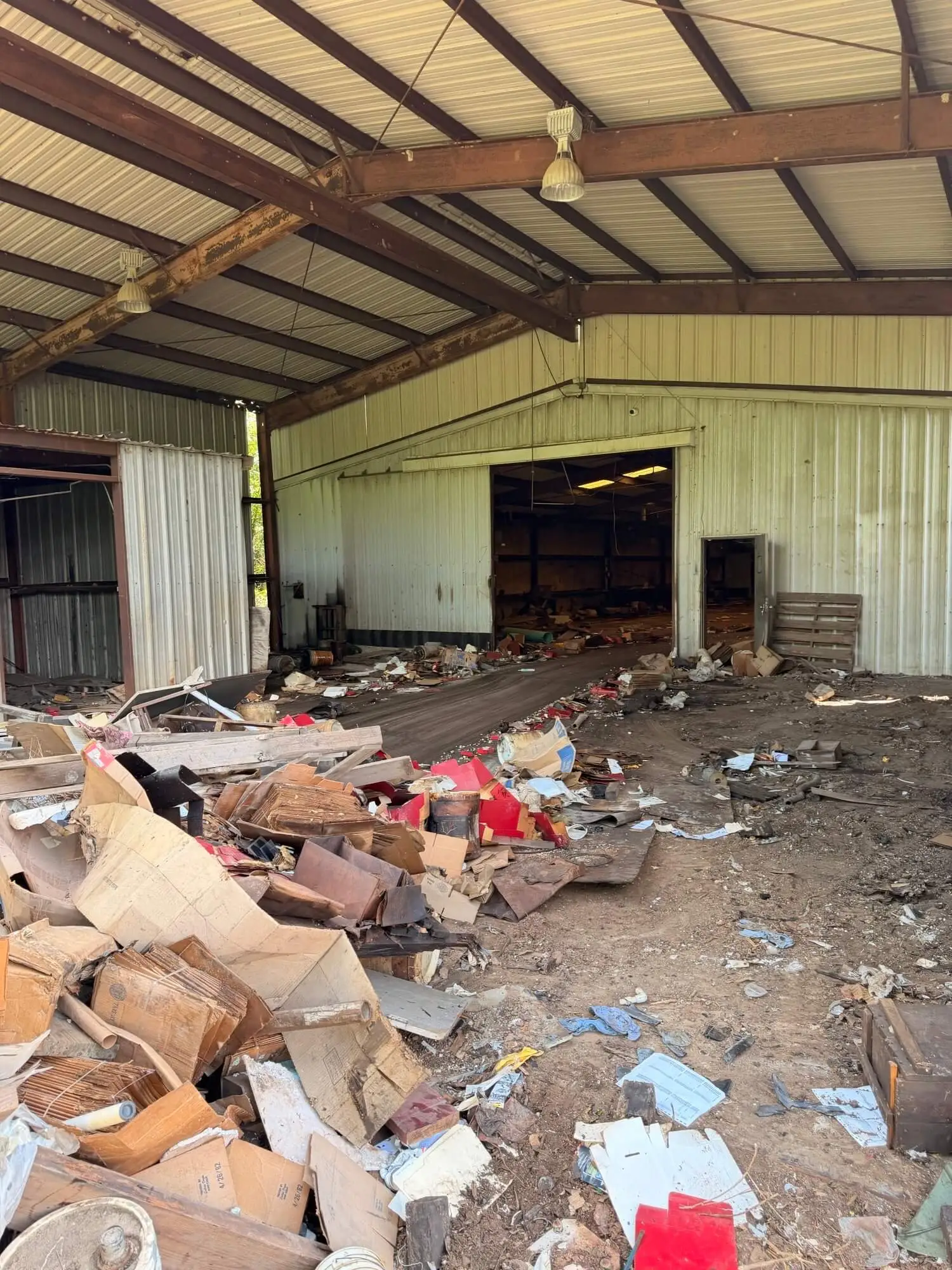
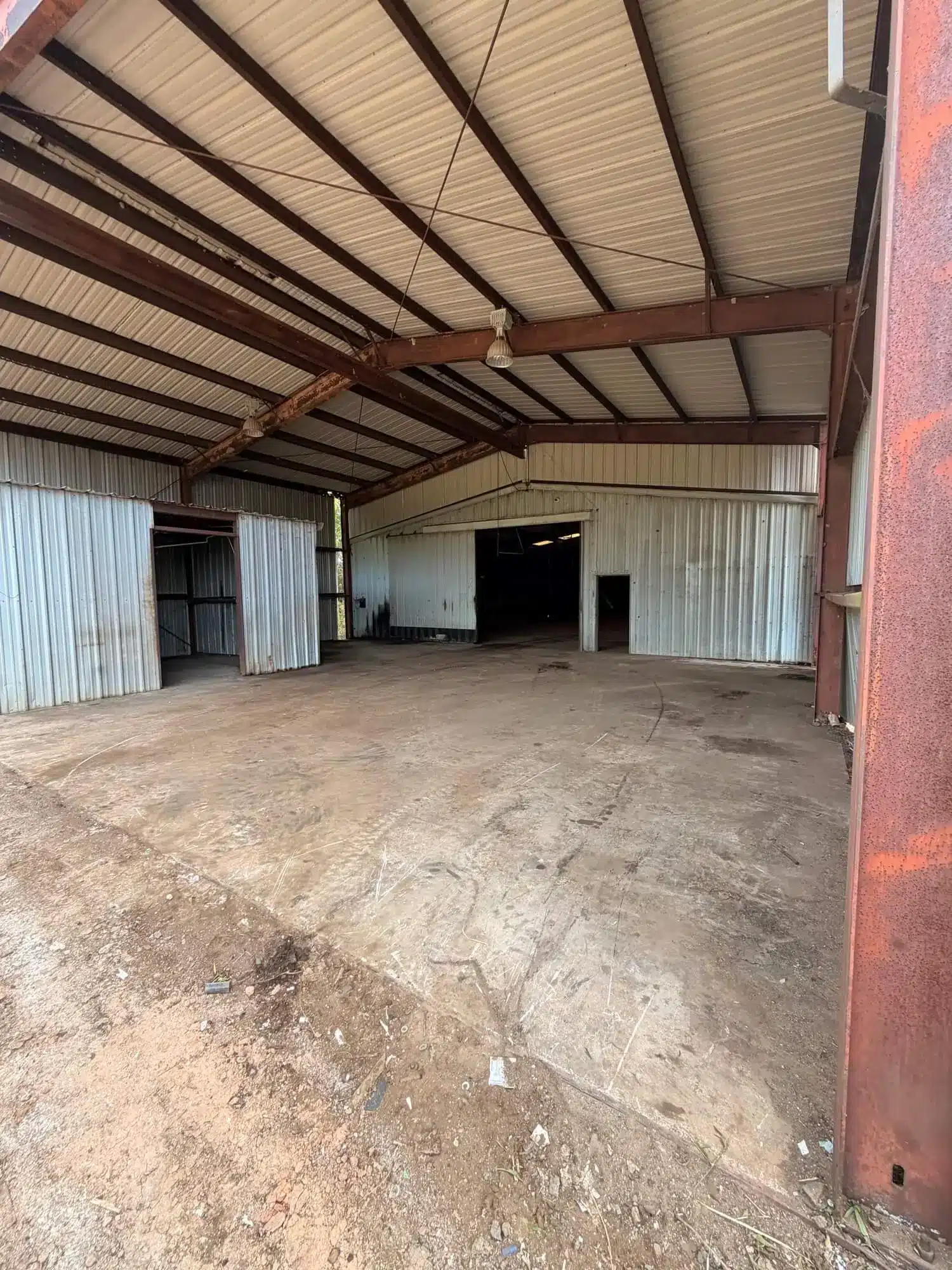
This approximately two-acre Houston property had heavy brush, saplings, selected trees, fence-line growth, mixed debris, and areas that were difficult to access. The property was being cleared and cleaned as part of its preparation for sale.
Completed Property Reset
Start with the property, the problem, and how you need it left. We review the project first, then define the right scope before work begins.
Send the property address, approximate size, photos or video, and a short explanation of what you need the property to become.

We review the overgrowth, debris, access, site conditions, and your goal for the property. Larger or more complex sites may need an on-site evaluation.
Before work begins, we confirm the included areas, what stays, what goes, how debris will be handled, and how the approved areas should be left.
We manage the approved work through completion and review the finished areas against the agreed project scope.
Tell us about the property and your goal. Larger or more complex projects may require an on-site evaluation before a detailed scope is prepared.
Larger property projects involve more than removing vegetation. The scope, site conditions, logistics, and finished condition all need to work together.
Before work begins, the included areas, what stays, what goes, and the intended finish are clearly defined.
Clearing methods, equipment, hauling, and detailed work are matched to the property instead of forcing every site into the same solution.
The completed areas are reviewed against the approved scope so there is a clear understanding of how the property should be left.
Land clearing is not one-size-fits-all. Some properties just need to be opened up. Others need to look cleaner for a sale, be easier to maintain, or be cleared before another phase of work begins. Tell us what comes next, and we’ll build the project around that goal.
Completed Property Reset
Not every property needs the same finish. A sale-prep project, for example, may need a mix of better access, cleanup, debris removal, and selected site work. We make the finished condition clear up front so you know what to expect when our work is complete.
Land clearing can mean very different things from one property to the next. These answers cover the questions that matter most when planning a larger clearing or property reset.
Depending on the property, a clearing project may include brush and vegetation removal, saplings, selected trees, fence-line clearing, forestry mulching, stump or root work, approved debris removal, hauling, excavation, and detailed cleanup.
The final scope depends on the property and how you need the approved areas left.
Land clearing is generally a better fit when heavy brush, saplings, trees, acreage, difficult access, mixed debris, or equipment-based clearing are part of the project.
Smaller yard resets and routine overgrowth are usually better handled through our residential Property Cleanup or Commercial Property Cleanup services.
Pricing depends on more than acreage. Vegetation density, tree size, access, terrain, debris, stump or root work, hauling, equipment needs, and the finished condition can all change the scope.
Two properties of similar size can require very different amounts of work. Evergreen reviews the property and project goal before developing detailed pricing.
Not always. Forestry mulching is one method that can be used to reduce brush, saplings, and selected vegetation while leaving processed material on the property.
Some projects need more than mulching, such as selective tree removal, stump or root work, debris haul-off, excavation, or detailed cleanup. The right method depends on the site and what you need the property to become.

Yes, when tree or stump work is part of the larger clearing goal. Selected trees may be removed, and stumps may be left, ground, removed, or handled another way depending on the approved scope.
If the need is limited to individual trees or standalone stumps, our Tree Service or Stump Grinding pages are the better starting point.
Haul-off can be included when it is part of the approved scope. Projects may involve green waste, brush, logs, and certain hard debris or abandoned materials that can be handled through normal disposal or recycling channels.
Debris type matters because some materials require different handling or disposal. Unusual, hazardous, regulated, or unsafe materials need separate review before they are included.
We first review the property address, approximate size, photos or video when available, the current condition, and what you need the property to become.

If the project appears to be a good fit, we determine the appropriate next step. Larger or more complex properties may require an on-site evaluation before a detailed scope and proposal can be prepared.
Project timing depends on acreage, vegetation density, access, tree and stump work, debris handling, equipment needs, weather, and the required finish.
A straightforward clearing project can move much faster than a property that also requires extensive haul-off, selective removals, detailed cleanup, or additional site work. Expected timing is reviewed as part of the approved project scope.
Yes, qualifying larger projects may be considered outside Evergreen's normal Houston service area. Project size, location, access, logistics, and scope are reviewed before confirming availability.
If the property is outside Greater Houston, send the address and project details through the project review so we can determine whether the location and scope are a fit.
Yes. Utilities, waterways or wet areas, unstable terrain, unsafe structures, unusual debris, hazardous or regulated materials, and other site-specific conditions can require additional planning or specialty coordination.
If something unusual is known about the property, let us know during the initial review so it can be considered before the scope is developed.
Larger or more complex properties may require an on-site evaluation before a detailed scope and proposal are prepared.