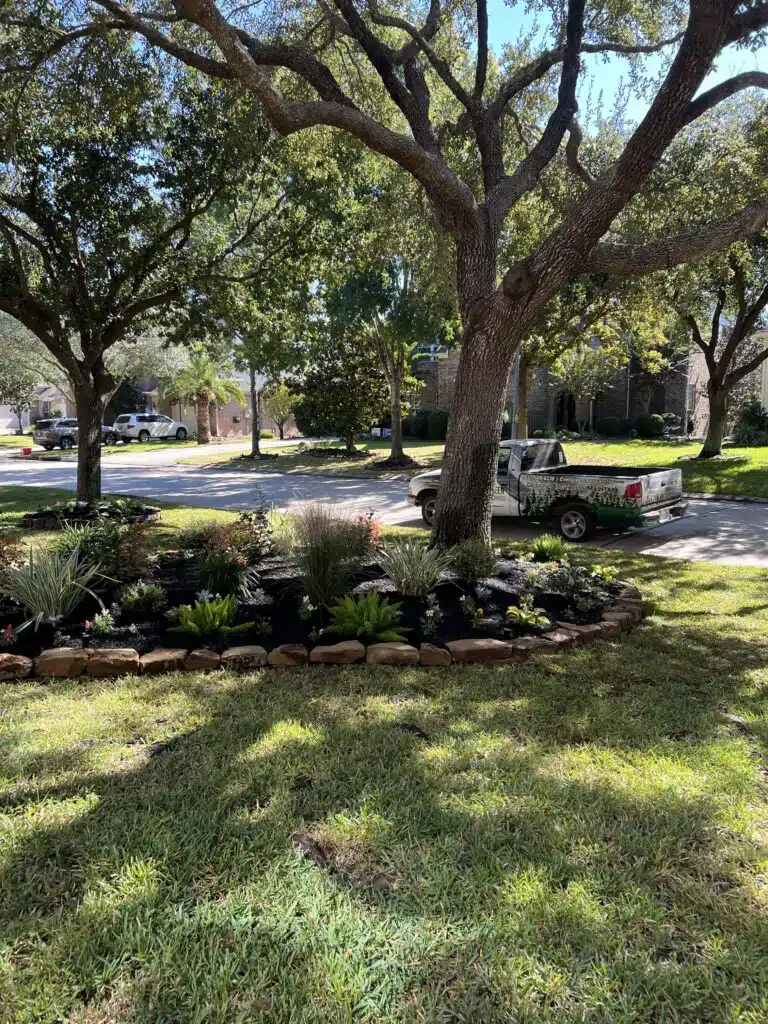
Houston’s climate is no joke — long heat, heavy humidity, random downpours, and the occasional cold snap can make gardening feel like a constant battle (and your water bill proves it). If you’re tired of high maintenance beds and plants that struggle here, Texas native plants are the smarter move. They’re built for Southeast Texas conditions, meaning less watering once established, fewer replacements, and a landscape that still looks sharp while supporting local pollinators and wildlife. Let’s break down how to create a low-cost, eco-friendly native garden that thrives in Houston — this guide has been updated for the 2026 season.
Why Choose Native Plants for Your Houston Garden?
Native plants are tough and have spent generations adapting to Houston’s unique climate. They can handle the city’s heat, humidity, heavy rain, clay soil, and even the occasional freeze. In contrast, non-native plants often need more water and care. Choosing native plants can make your yard look great while saving water and effort. Here’s why switching to native plants is such a smart move:
-
Cost Savings: Once established, native plants usually need much less watering. This can help you use less water each month and save money on your landscaping over time.
-
Low Maintenance: You won’t need to prune as often, replace plants as much, or wonder why something is dying. That means you get to enjoy your yard more and work in it less.
-
Environmental Benefits: Native plants provide food and shelter for local pollinators and wildlife, such as birds, butterflies, bees, and beneficial insects that help keep your garden healthy.
-
Resilience: Since native plants are made for this area, they usually handle Houston’s weather better and are more resistant to local pests and common plant problems.
Fun Fact: Picking native plants isn’t just about having a nice-looking yard. It’s also one of the easiest ways to build a healthier, more balanced ecosystem at home. Why not try it this weekend? Start with a ‘starter trio’ of Houston-tough native plants like Black-Eyed Susan, Gulf Coast Muhly, and Texas Red Yucca. This simple step brings together beauty, nature, and fun—and it’s an easy way to see real changes in your yard!
Top Native Plants to Beautify Your Houston Landscape
Ready to get started? Here are some top-performing native plants that are perfect for Houston gardens:
1. Bluebonnet (Lupinus texensis)
- Description: Texas’ state flower, famous for its vibrant blue blooms in spring.
- Why It’s Awesome: Enhances soil fertility by fixing nitrogen, benefiting surrounding plants.
- Where to Plant: Full sun; ideal for wildflower patches or sunny borders.0
2. Texas Lantana (Lantana urticoides)
- Description: A hardy shrub with clusters of bright yellow and orange flowers.
- Why It’s Awesome: Attracts butterflies and hummingbirds; extremely drought-tolerant.
- Where to Plant: Full sun; perfect for borders or as a colorful ground cover.
3. Gulf Coast Muhly (Muhlenbergia capillaris)
- Description: An ornamental grass with stunning pink-purple plumes in the fall.
- Why It’s Awesome: Low maintenance and adds dramatic flair to your garden.
- Where to Plant: Full sun to partial shade; great for mass plantings or accents.
4. Coral Honeysuckle (Lonicera sempervirens)
- Description: A climbing vine with tubular red flowers that bloom from spring to fall.
- Why It’s Awesome: Hummingbird magnet; perfect for trellises and fences.
- Where to Plant: Full sun to partial shade; needs support to climb.
5. Eastern Redbud (Cercis canadensis)
- Description: A small tree with heart-shaped leaves and vibrant pink blossoms in early spring.
- Why It’s Awesome: Provides shade and stunning seasonal color.
- Where to Plant: Full sun to partial shade; ideal as a focal point.
6. Turk’s Cap (Malvaviscus arboreus var. drummondii)
- Description: A shrub with unique, bright red flowers resembling a Turkish turban.
- Why It’s Awesome: Blooms from spring to fall; attracts pollinators.
- Where to Plant: Partial shade; excellent for woodland gardens.
Pro Tip: Combine these native plants to create a garden that’s not only visually appealing but also resilient. Mixing different heights, colors, and textures will make your landscape uniquely yours while promoting a healthy ecosystem.
More Native Plants Options in Houston to Consider
To further enhance your garden, here’s a list of additional native plants, separated based on their sunlight preferences:
Full Sun Lovers
1. Texas Coneflower (Rudbeckia texana)
- Description: Bright yellow flowers with dark centers blooming in summer.
- Benefits: Attracts butterflies and bees; drought-tolerant.
- Where to Plant: Full sun; ideal for borders and meadows.
2. Indian Blanket (Gaillardia pulchella)
- Description: Vibrant red and yellow flowers that bloom from spring through fall.
- Benefits: Long blooming season; heat and drought-tolerant.
- Where to Plant: Full sun; great for wildflower gardens.
3. Purple Coneflower (Echinacea purpurea)
- Description: Large, daisy-like purple flowers with prominent centers.
- Benefits: Attracts butterflies and bees; has medicinal properties.
- Where to Plant: Full sun; excellent for perennial borders.
4. Black-eyed Susan (Rudbeckia hirta)
- Description: Cheerful yellow petals with brown centers; blooms summer to fall.
- Benefits: Easy to grow; attracts pollinators.
- Where to Plant: Full sun; suitable for mass plantings.
5. Autumn Sage (Salvia greggii)
- Description: Shrub with tubular flowers in reds, pinks, and whites.
- Benefits: Attracts hummingbirds; blooms nearly year-round.
- Where to Plant: Full sun; perfect for borders and containers.
Shade Options
1. Columbine (Aquilegia canadensis)
- Description: Delicate red and yellow flowers blooming in spring.
- Benefits: Attracts hummingbirds; thrives in shade.
- Where to Plant: Partial to full shade; ideal for woodland gardens.
2. American Beautyberry (Callicarpa americana)
- Description: Shrub with clusters of bright purple berries.
- Benefits: Provides food for birds; tolerates shade.
- Where to Plant: Partial shade; excellent as an understory shrub.
3. Spiderwort (Tradescantia virginiana)
- Description: Clump-forming perennial with blue-purple flowers.
- Benefits: Low maintenance; blooms in spring and early summer.
- Where to Plant: Partial shade; great for naturalized areas.
4. Wood Fern (Thelypteris kunthii)
- Description: Lush green fronds providing a tropical feel.
- Benefits: Adds texture; thrives in moist, shaded spots.
- Where to Plant: Full to partial shade; perfect for shady borders.
5. Pigeonberry (Rivina humilis)
- Description: Small shrub with tiny white flowers and red berries.
- Benefits: Attracts birds; good groundcover for shade.
- Where to Plant: Partial to full shade; ideal for understory planting.
By selecting plants suited to the specific sunlight conditions in your garden, you’ll ensure a healthier, more vibrant landscape with even less effort!

How to Start Your Money-Saving, Eco-Friendly Garden
Imagine a lively garden filled with hummingbirds sipping from Turk’s cap flowers and monarch butterflies fluttering around salvia. Creating this beautiful, low-maintenance native garden is easier than you might expect. Here’s how you can bring Houston’s natural beauty to your backyard:
-
Assess Your Space
-
Sunlight: Watch how much sun your garden gets to help you choose the right plants. Try purple coneflower for sunny spots and inland sea oats for areas with some shade.
-
Soil Type: Houston soils vary; consider a soil test for best results.
-
Plan Your Design
-
Group Plants: Place plants with similar water and sunlight needs together. This clustering not only simplifies maintenance but also fosters micro-habitats that support local birds and insects. By grouping plants, you ensure continuous nectar and shelter throughout the garden, enhancing its ecological value.
-
Think Layers: Mix trees, shrubs, and groundcovers to give your garden a full, lush appearance.
-
Prepare the Soil
-
Enrich Naturally: Add organic compost to your soil to make it healthier, without using chemicals.
-
Plant Wisely
-
Timing: Fall is the best time to plant natives in Houston for root establishment. The cooler temperatures and seasonal rains not only support strong root growth but also significantly reduce the need for additional watering, making it a more sustainable choice for garden enthusiasts.
-
Watering: Give new plants regular water until they’re settled in. After that, you can let nature do most of the work.
-
Mulch and Maintain
-
Mulch: Helps keep the soil moist and prevents weeds.
-
Minimal Maintenance: Spend less time weeding, watering, and worrying, and more time enjoying your garden.
Fun Activity for the Family: Keep a garden journal to record your native plant journey. Write down how your plants grow, which animals visit, and what changes with the seasons. It’s a fun way for kids to learn and for everyone to connect with nature. To make it even more fun for children, let them draw or take photos of each new visitor. This creative activity makes the experience more exciting, brings the family closer, and helps everyone care more about the natural world.
Maximizing Cost Savings and Environmental Impact
By choosing native plants, you’re making a smart financial decision and a positive environmental choice. Here’s how you maximize these benefits:
- Water Conservation: Native plants require less irrigation, saving you money on water bills.
- No Need for Chemicals: Reduce or eliminate the use of fertilizers and pesticides.
- Support Local Wildlife: Create habitats for pollinators, which are crucial for the ecosystem.
- Increase Property Value: A well-designed native garden can boost your home’s curb appeal.
If you’re into practical eco-friendly upgrades that also save money, you may also like our guide: “Eco-Friendly Landscaping Tips | Slash Your Electricity Bills!”
Maintenance Tips for a Thriving Houston Native Garden
Here are a few easy ways to help your garden thrive:
-
Prune your plants after they finish blooming to encourage better growth.
-
Mulch can help control weeds, but frequent checking keeps them from spreading.
-
Keep an eye on soil moisture, since even drought-tolerant plants need water during very dry weather.
-
Remember to enjoy gardening. Celebrate small wins and learn from any challenges along the way.
From what I’ve seen, keeping up with consistent landscape maintenance makes a big difference. Clients who stay on top of routine care usually have fewer problems and less stress than those who wait too long. Consistent upkeep not only keeps your property looking good but also saves money by preventing bigger issues before they start.

Conclusion | Native Plants for Houston
When you choose native Texas plants for your Houston garden, you save money and help the environment. Your yard will look great, need less upkeep, handle Houston’s weather, and give local wildlife a place to thrive. Every native plant you add is a small win for our local community—supporting pollinators, birds, and beneficial insects that keep our neighborhoods greener and healthier.
Are you ready to make a change?
You can start saving money and improving your yard today by working smarter. Let’s put these ideas to work. If you want help from a professional, contact us to choose and plant the best native plants for your Houston garden. Together, we can create a beautiful landscape you’ll enjoy for years.